IanPlummer
Welcome to the bird blog! This is a collection of bird pictures I have accumulated over the years and will periodically update. Check out my eBird for my full lifer list. I have organized it alphabetically by the common name of the bird. Right click on the images to open them in full resolution.
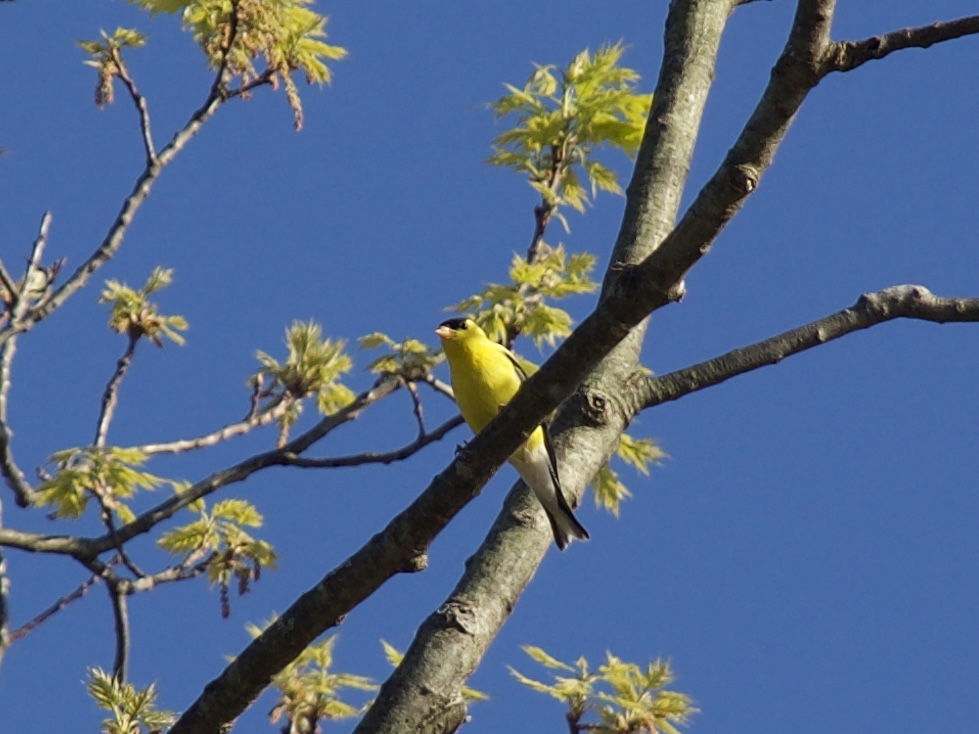
American Goldfinch
Spinus tristis from Spinus (an Ancient Greek word for finch) and the Latin tristis for sad/sorrowful. This is a common botanical and zoological epithet for muted colors or, in this case, a reference to the dull plumage displayed in the winter compared to its bright summer yellow.
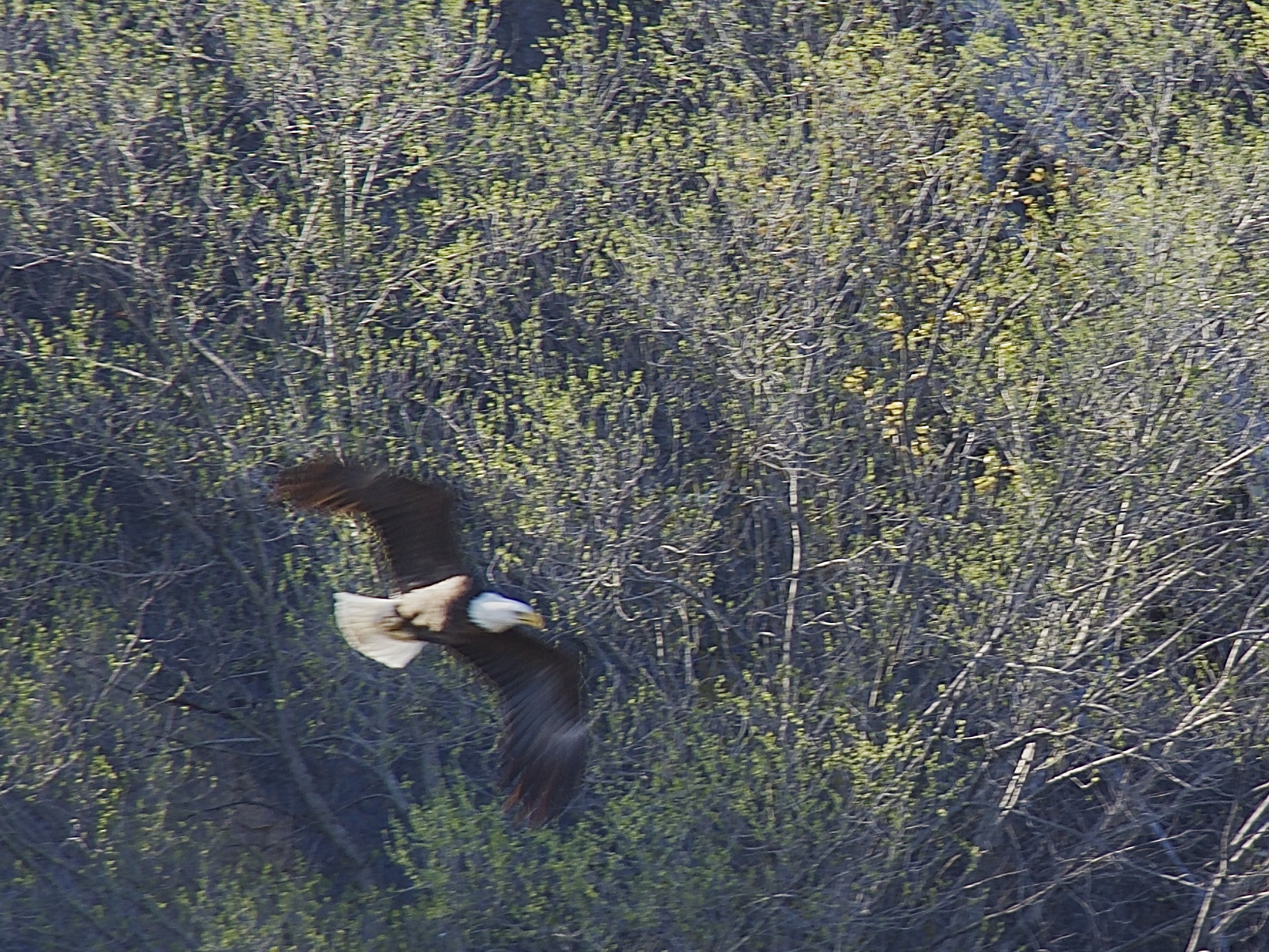
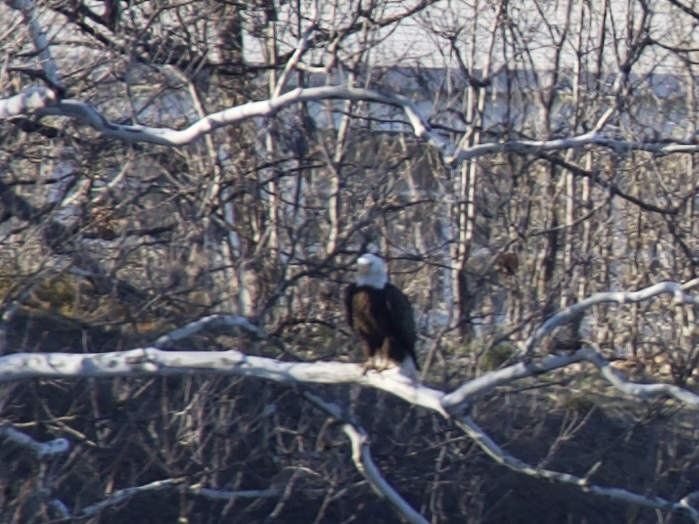
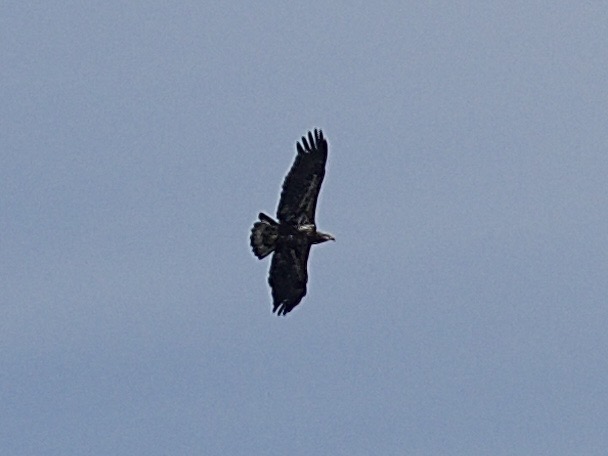
Bald Eagle
Haliaeetus leucocephalus from the Greek hali (sea), aeetos (eagle), leukos (white), and cephalos (head).
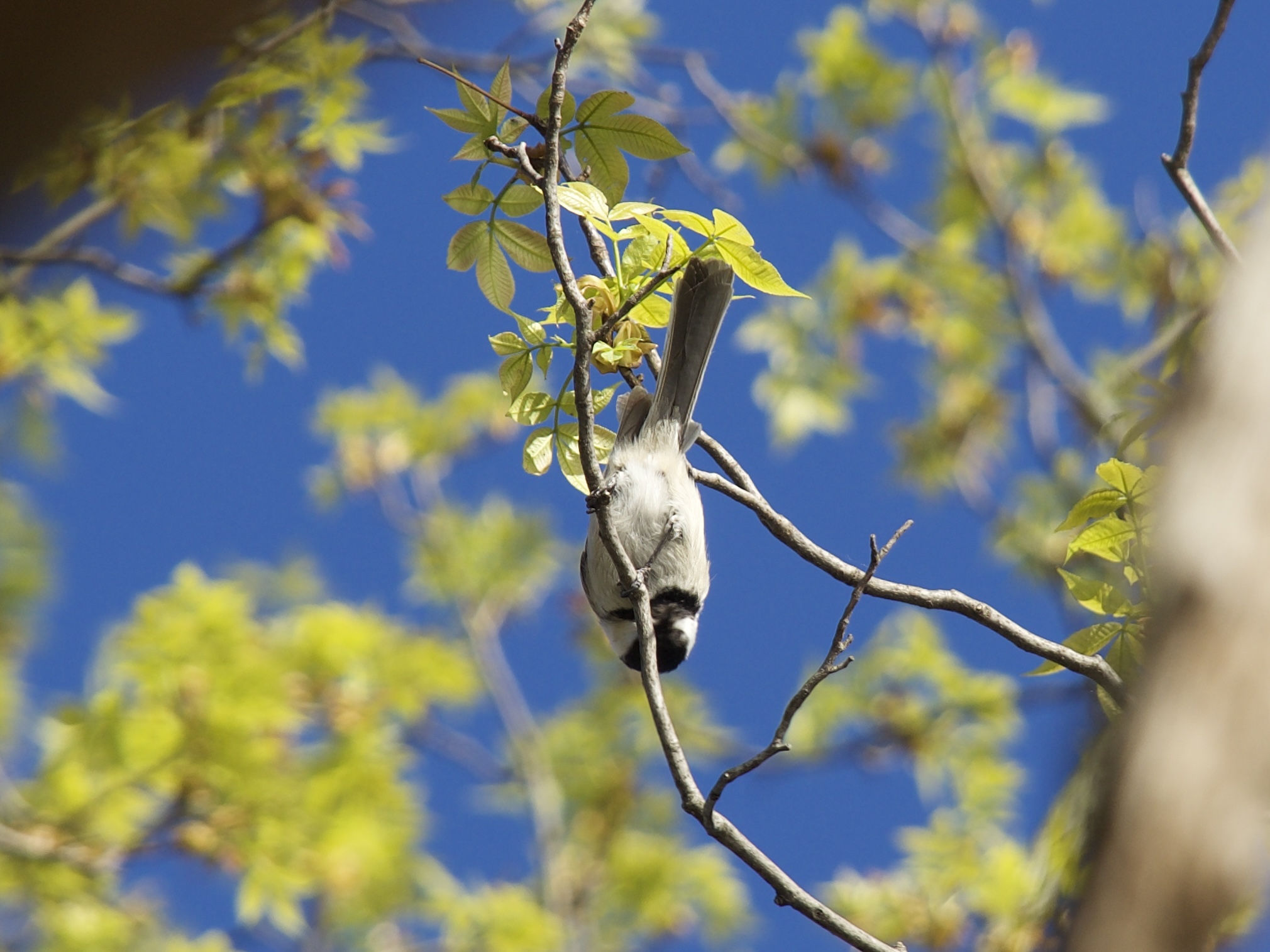
Black-capped Chickadee
Poecile atricapillus from the Greek poikil (spotted or many-colored) and the Latin ater (black) and capillus (hair, particularly of the head).
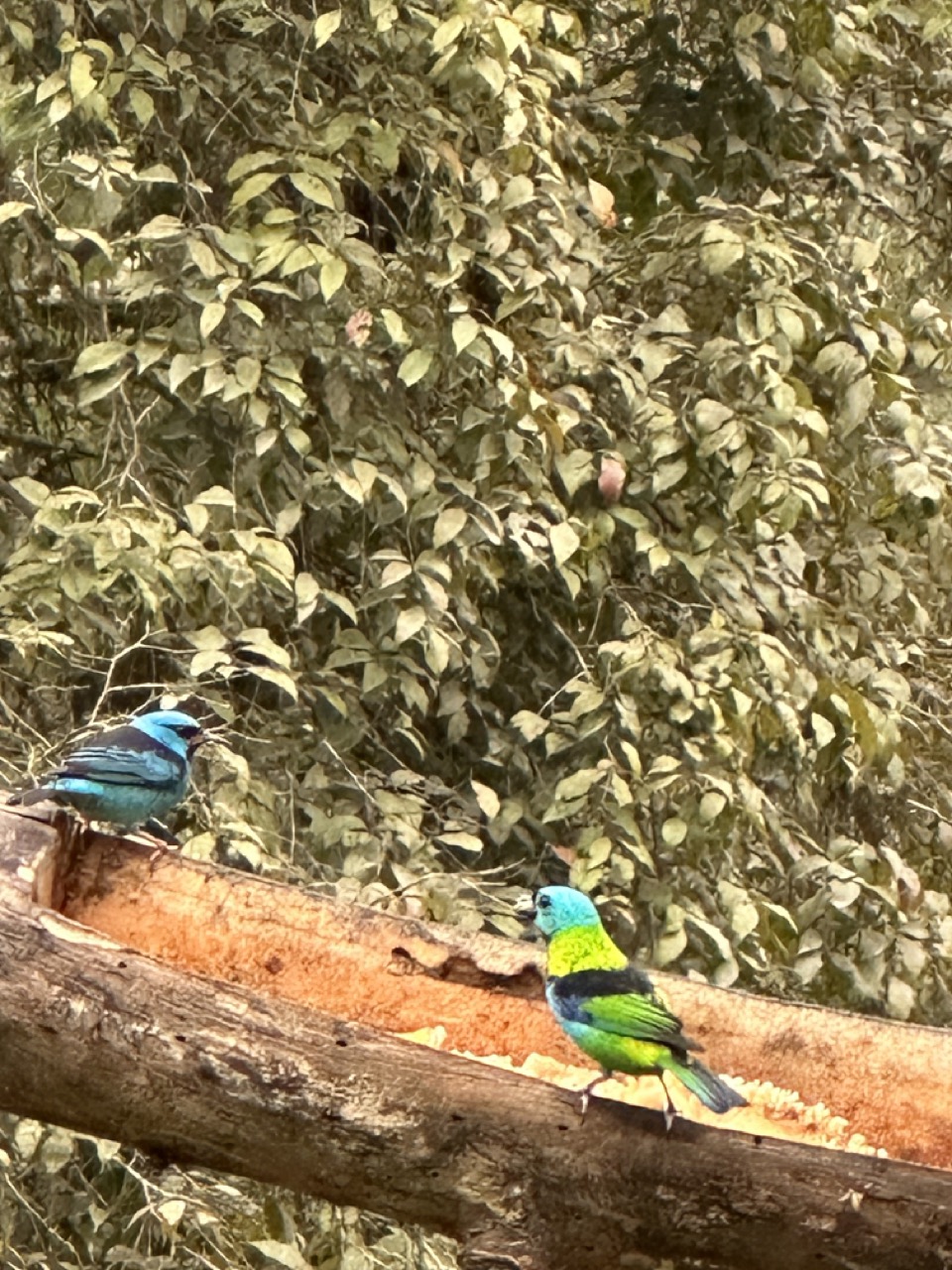
Blue Dacnis
Dacnis cayana from the Greek daknis, referring to an unidentified Egyptian bird mentioned by ancient writers Hesychius of Alexandria and Sextus Pompeius Festus and Cayenne (French Guiana), a common location reference for species found in the Amazon region.
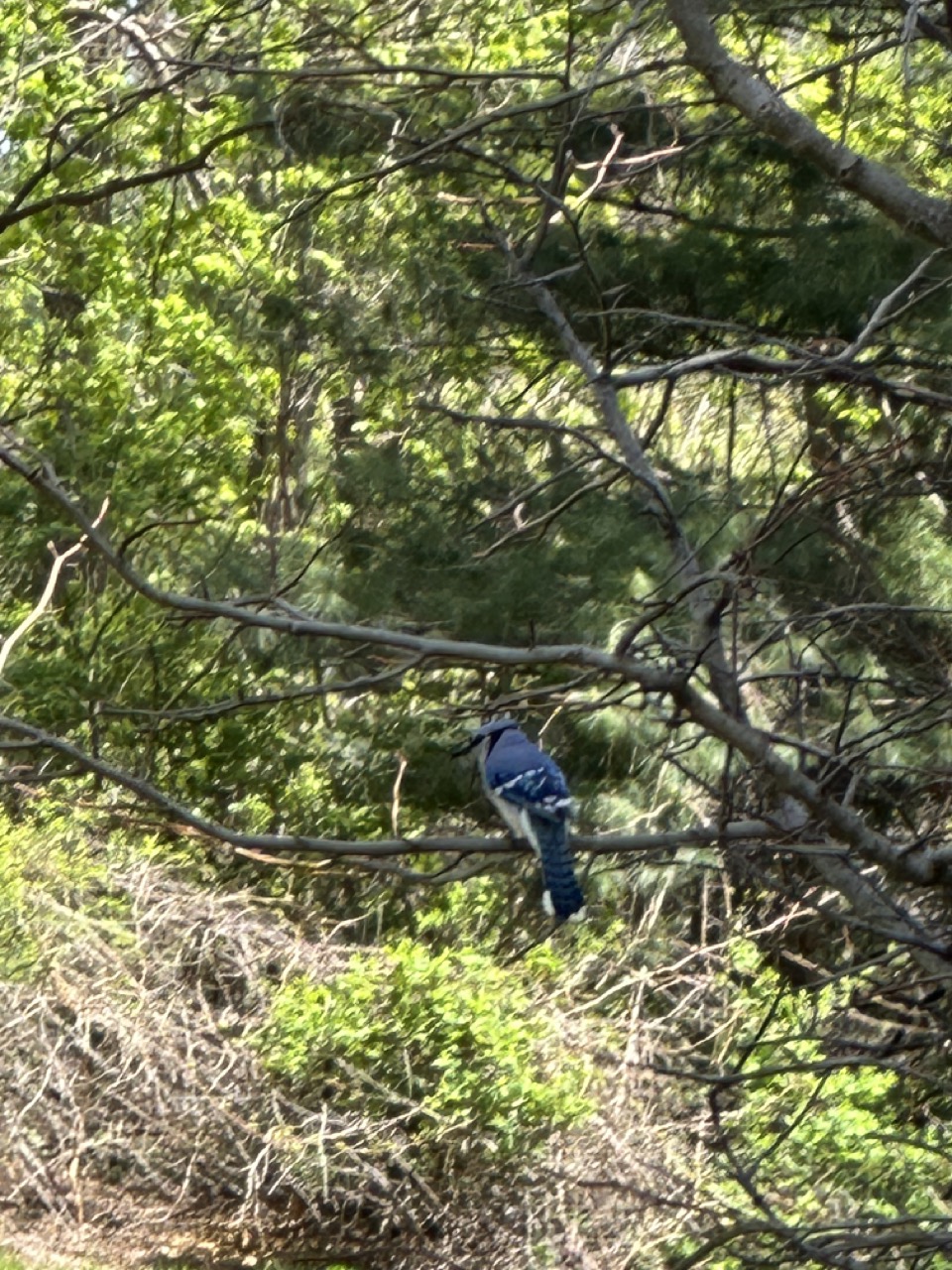
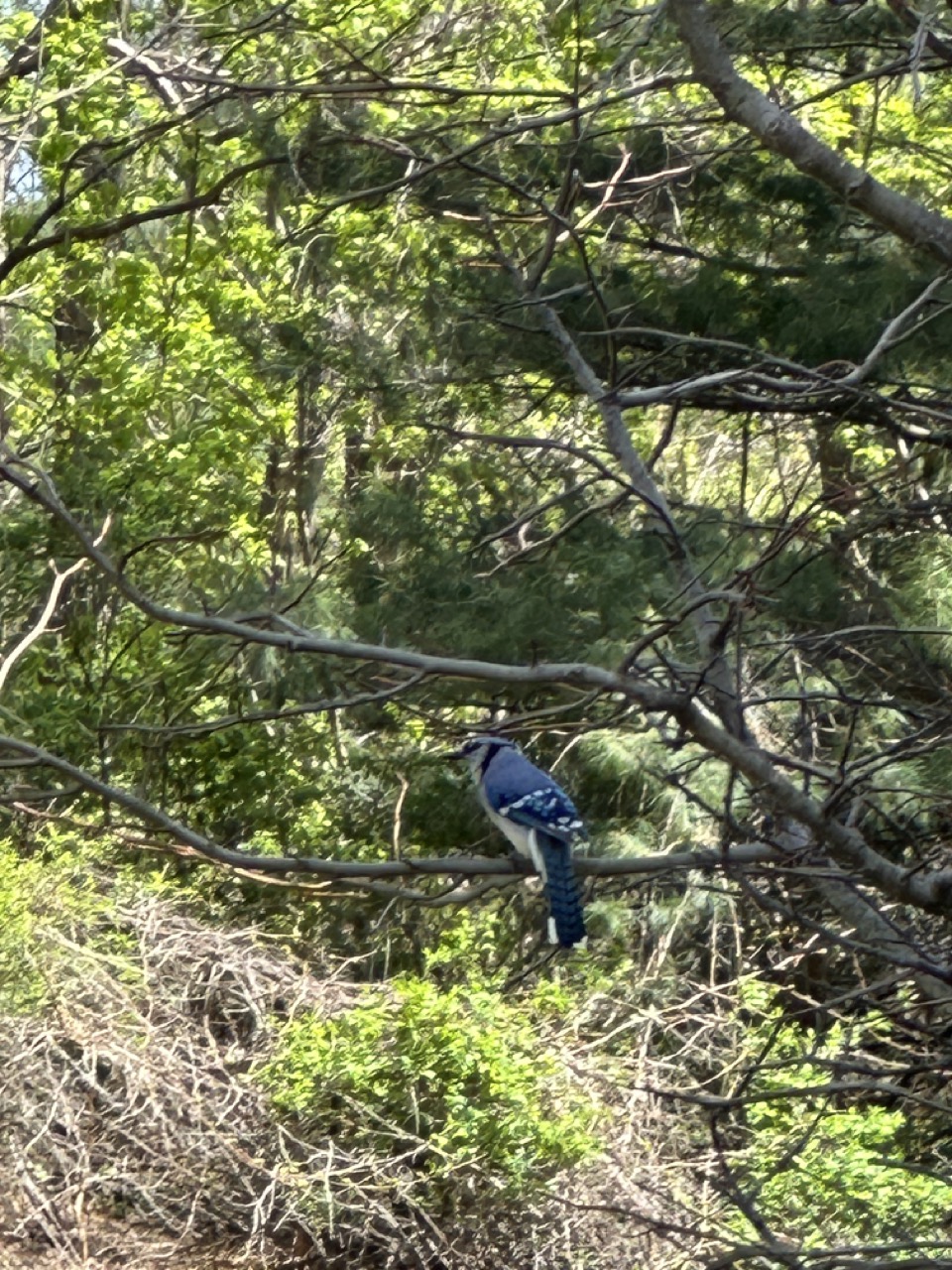
Blue Jay
Cyanocitta cristata from the Greek kyanos (dark or bright blue) and kitta (chattering bird/jay) and the Latin cristata (crested).
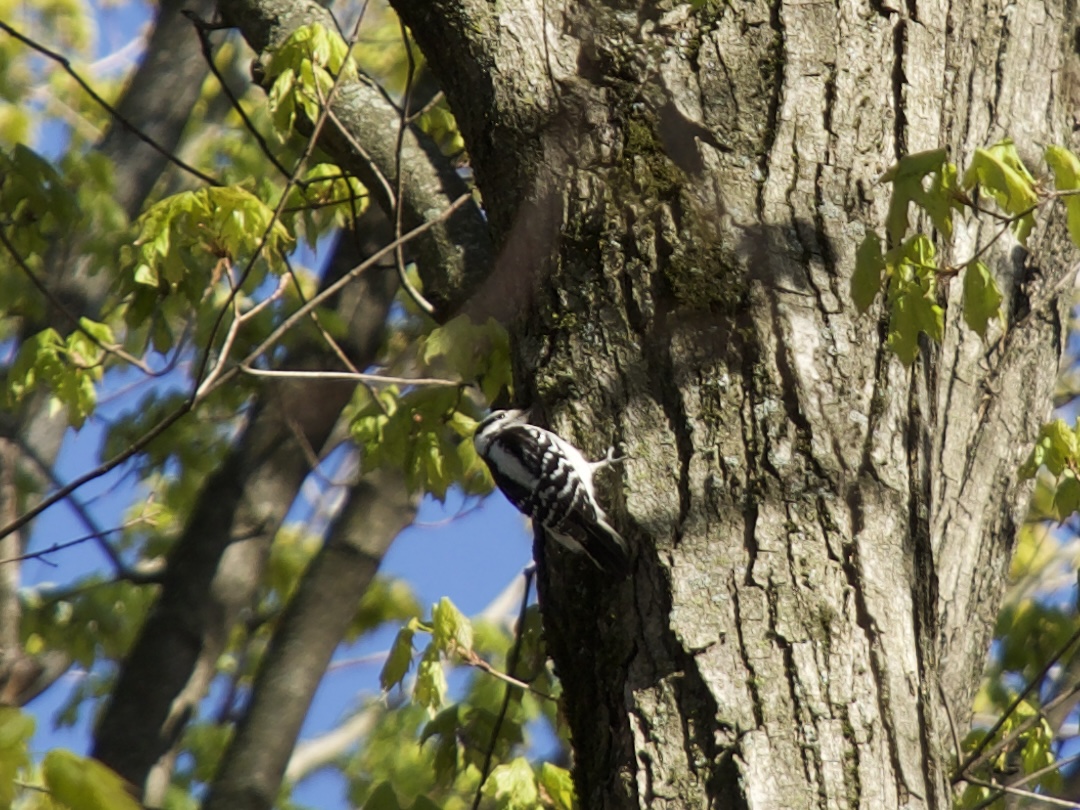
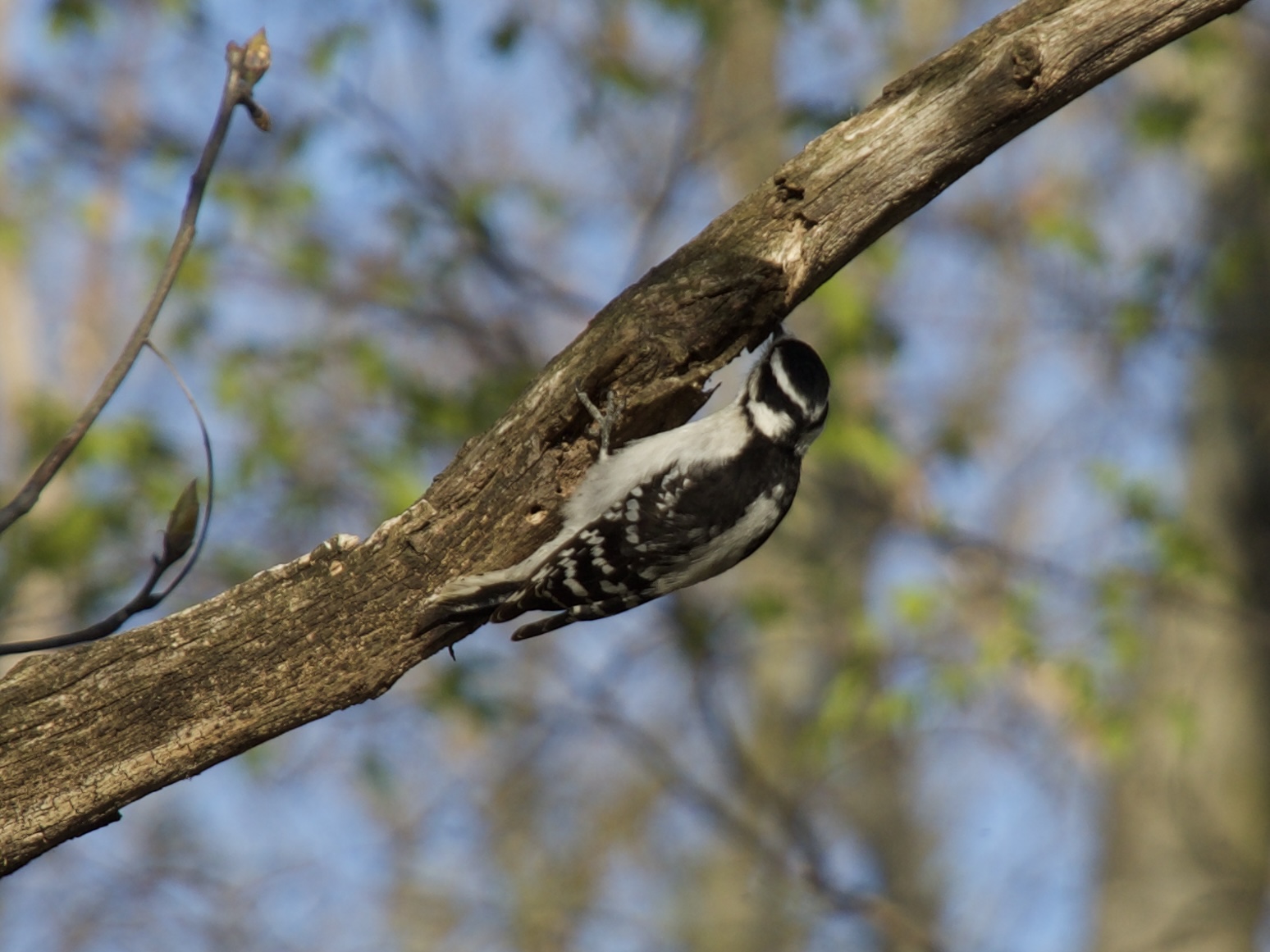
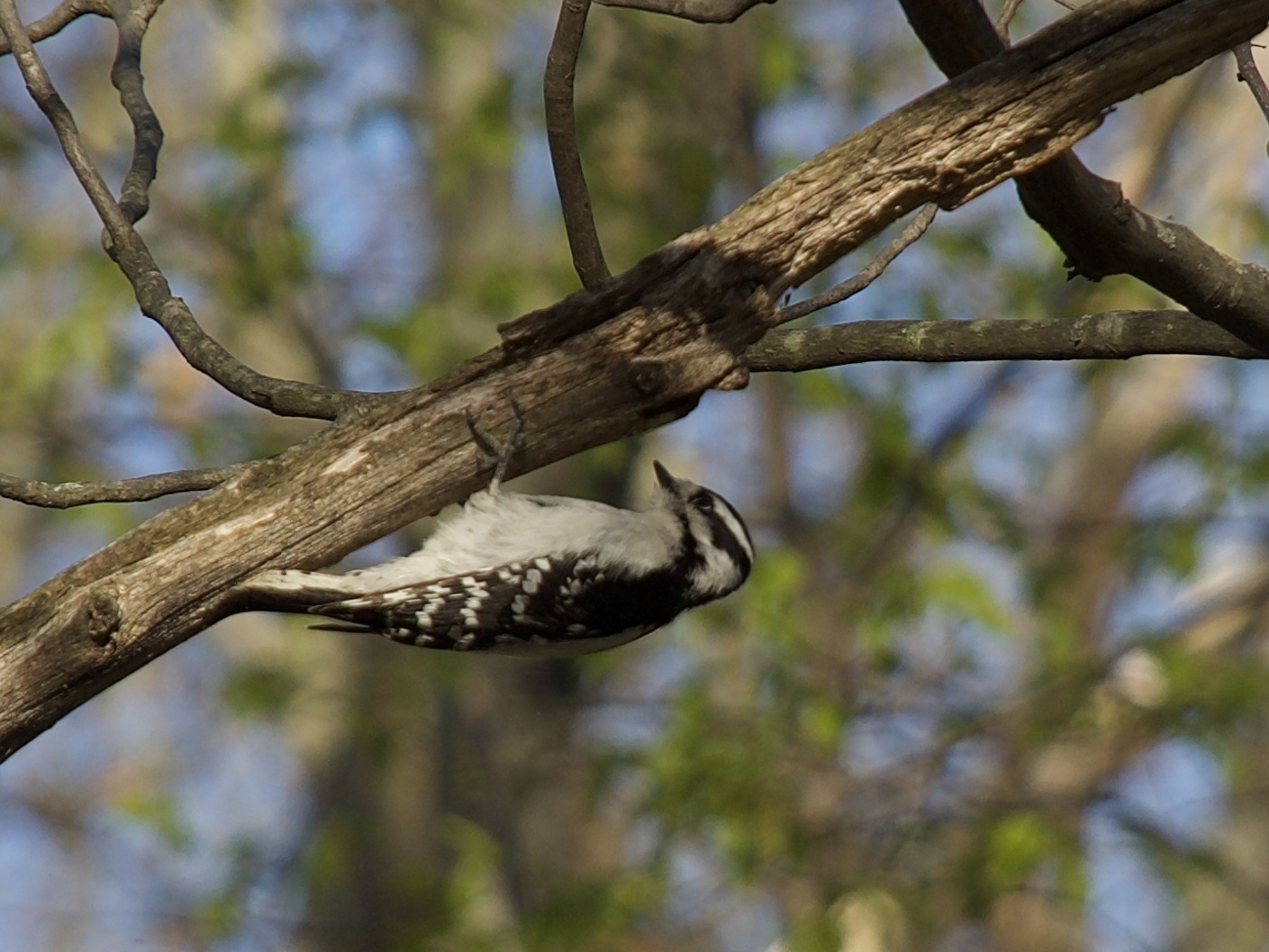
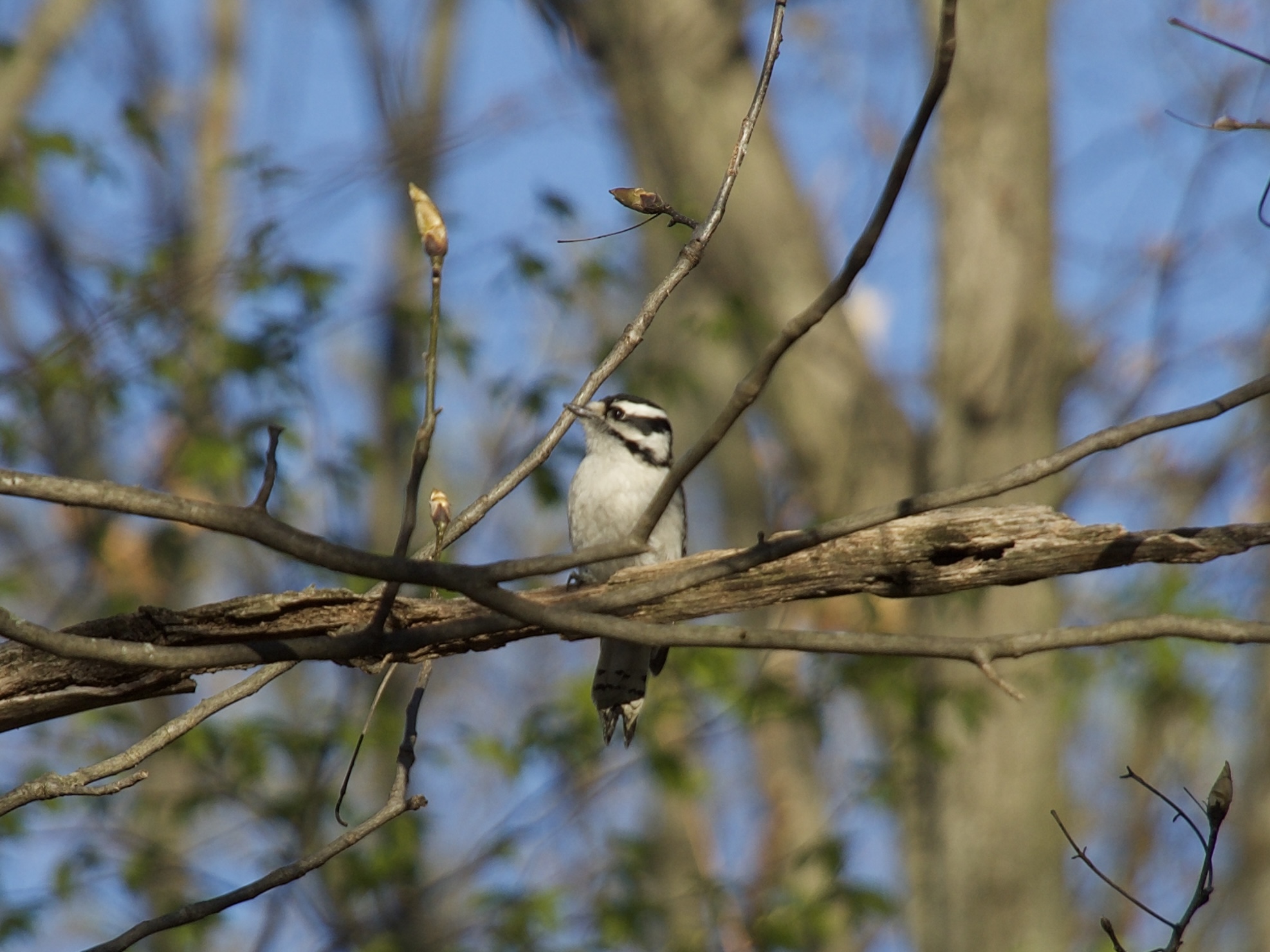
Downy Woodpecker
Dryobates pubescens from the Greek drus (tree or woodland) and bates (walker or treader) and the Latin pubescens (covered in short hair i.e. downy).
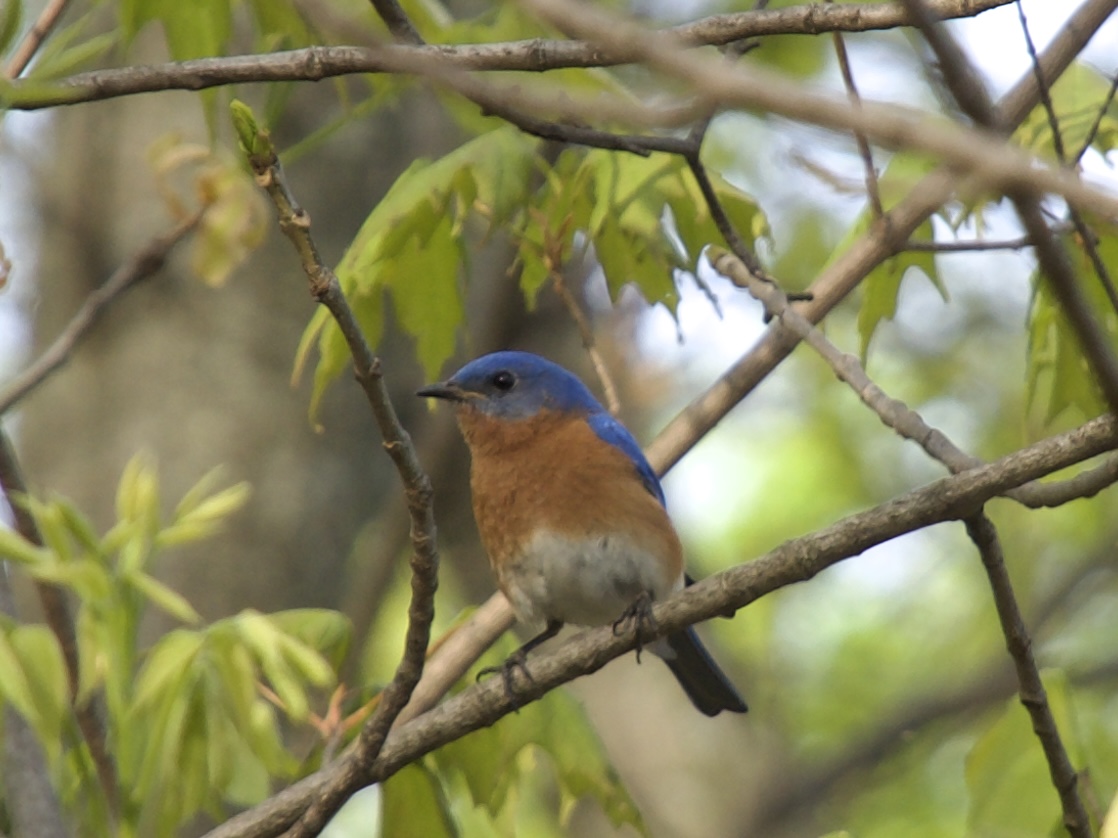
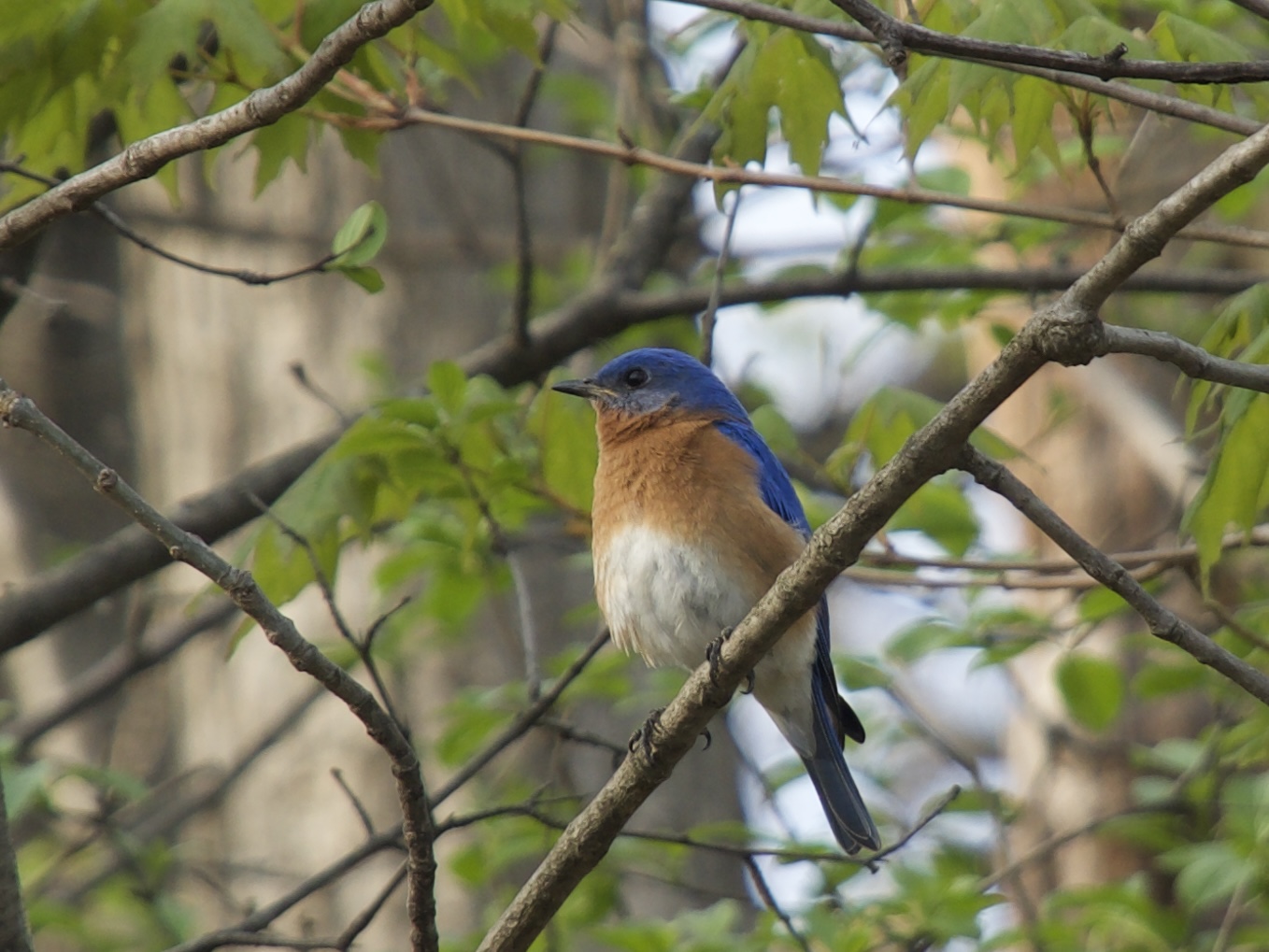
Eastern Bluebird
Sialia sialis from the Greek sialis (often interpreted as a “bird” or a blue-colored bird like a thrush).
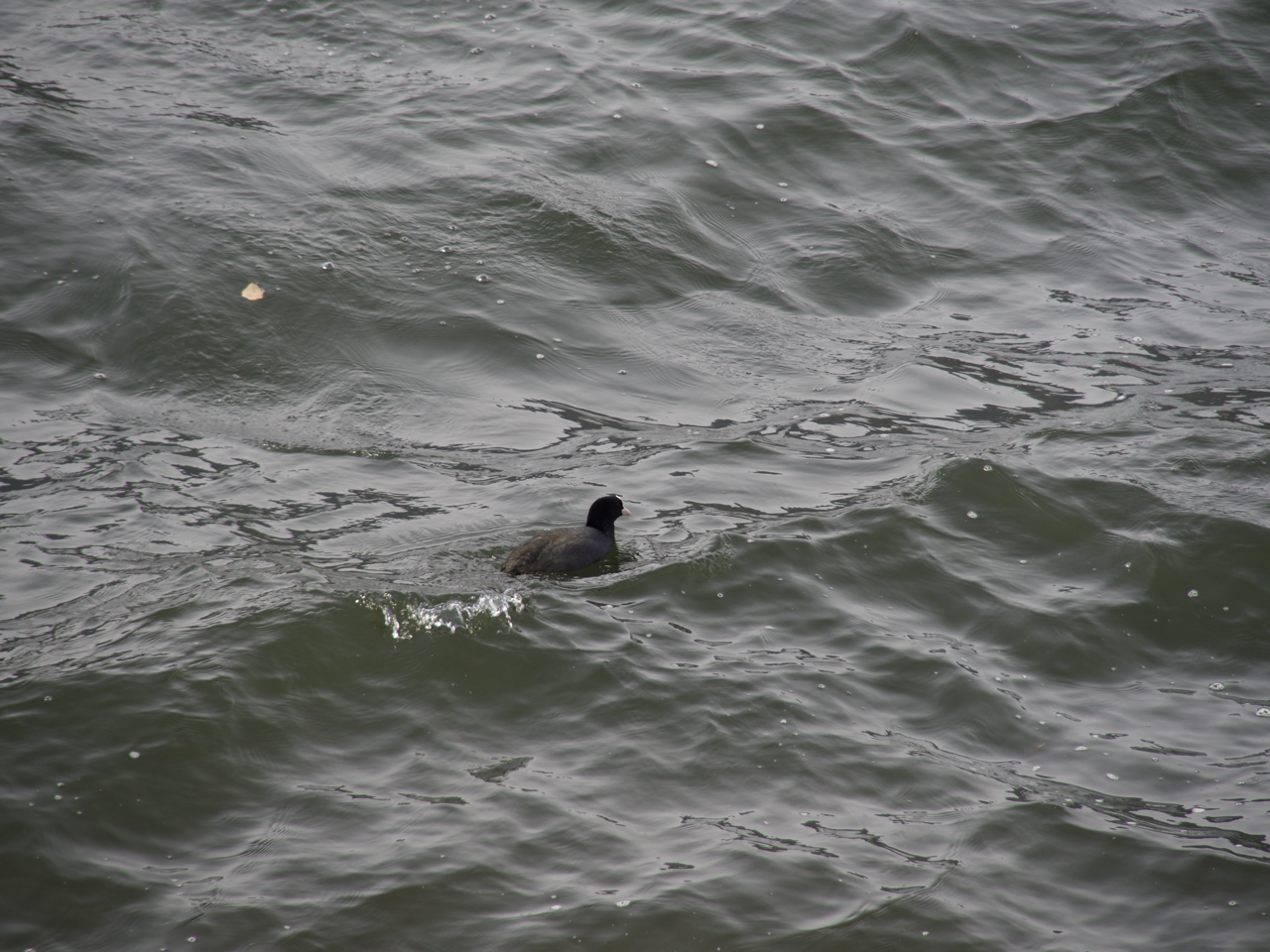
Eurasian Coot
Fulica atra from Latin fulica (coot) and atra (black, dark, gloomy).
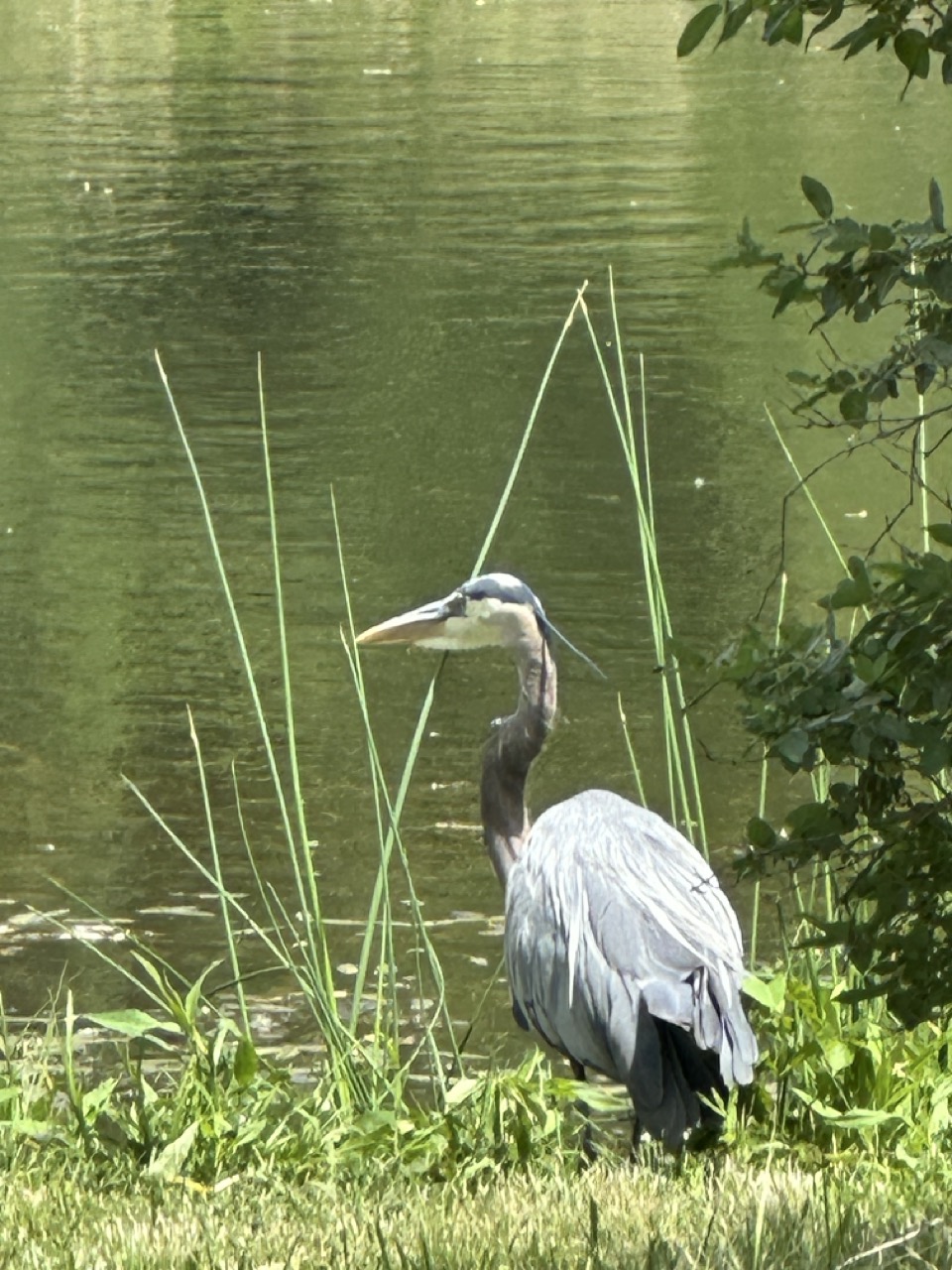
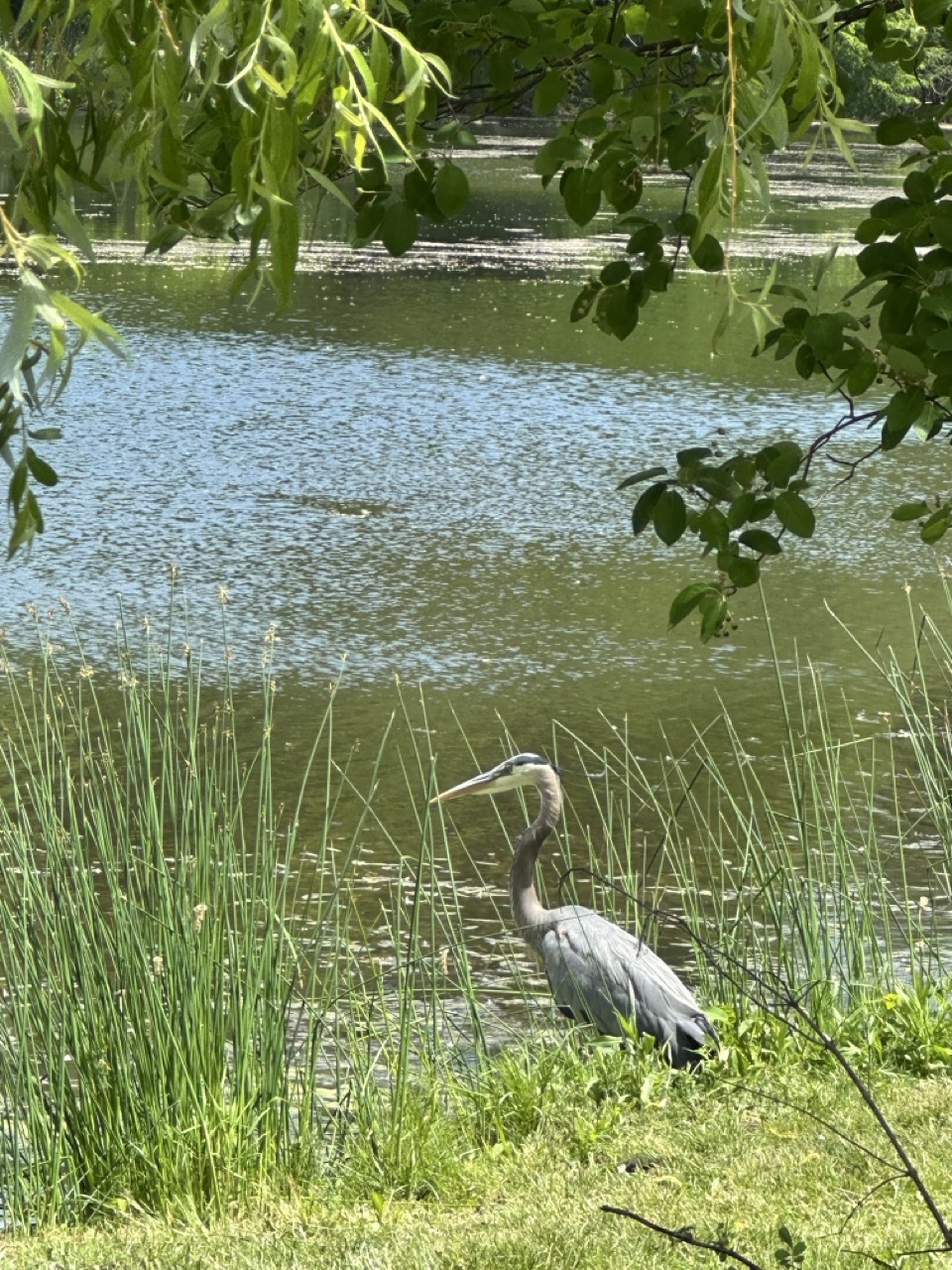
Great Blue Heron
Ardea herodias from the Latin word for heron (Ardea) and the Ancient Greek word for heron (erōdios).

Green-headed Tanager
Tangara seledon from the Tupi language word tangara (roughly translates to dancer) and the Greek chelidon or chelidonos, meaning a swallow.
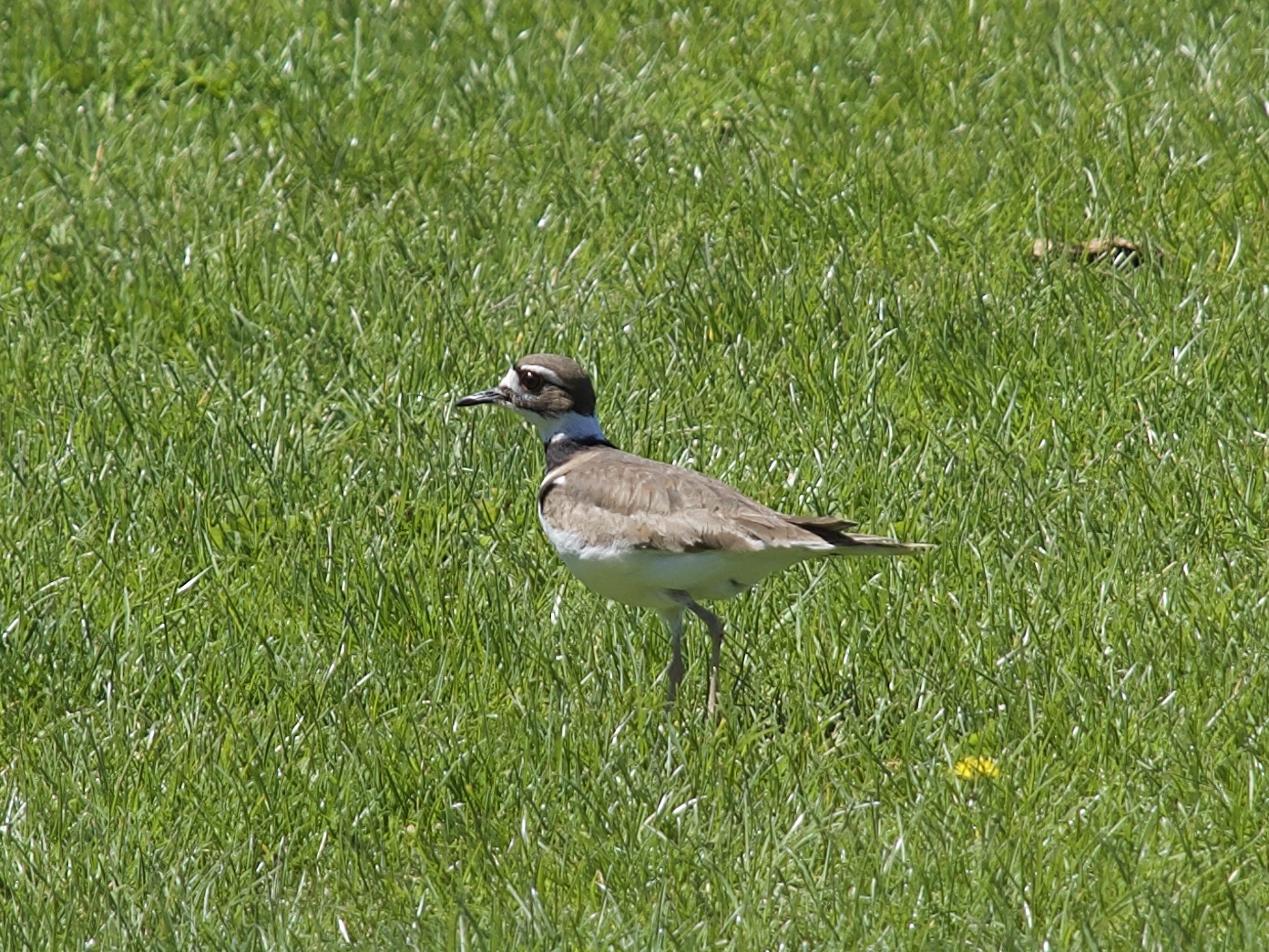
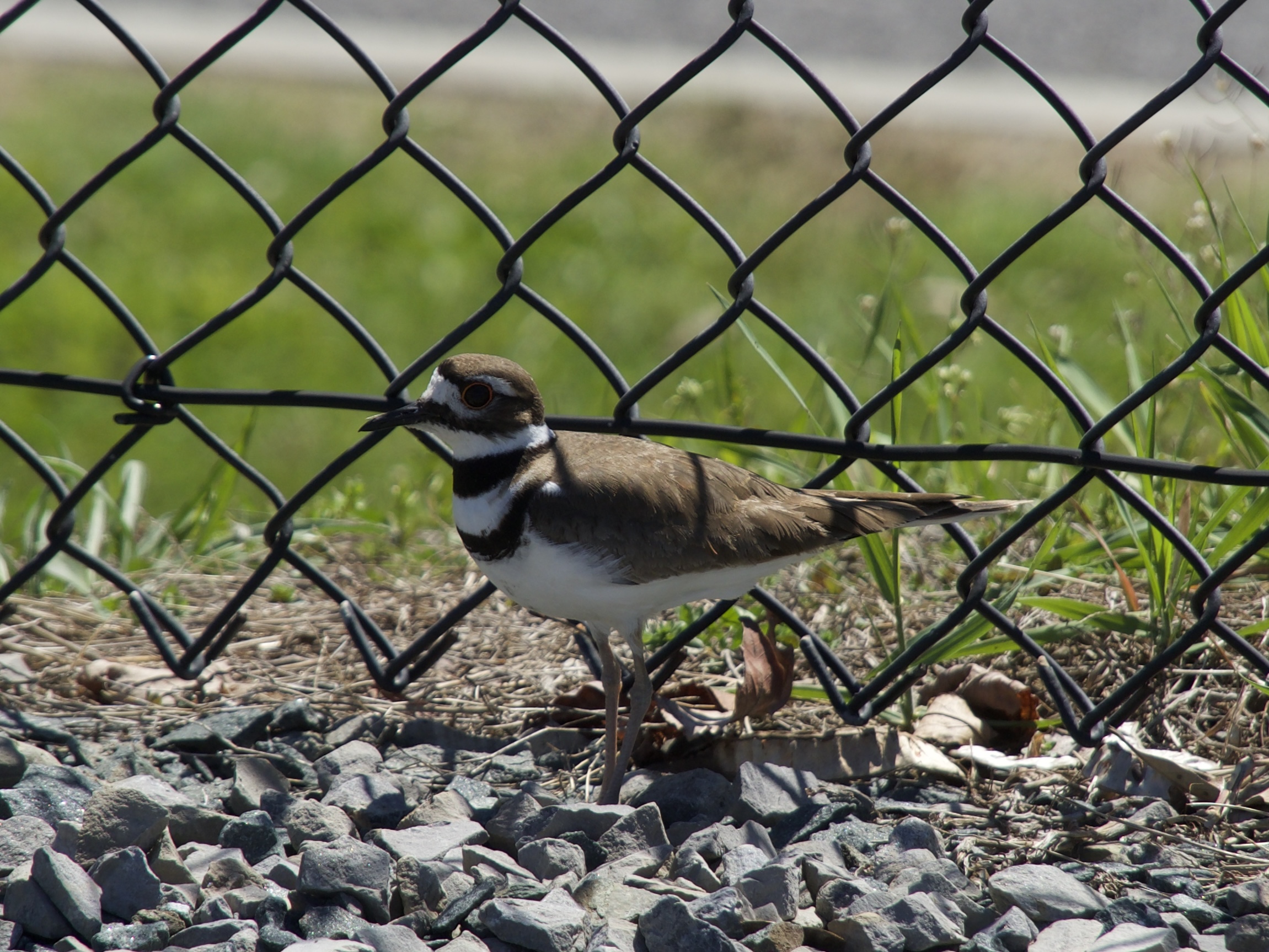
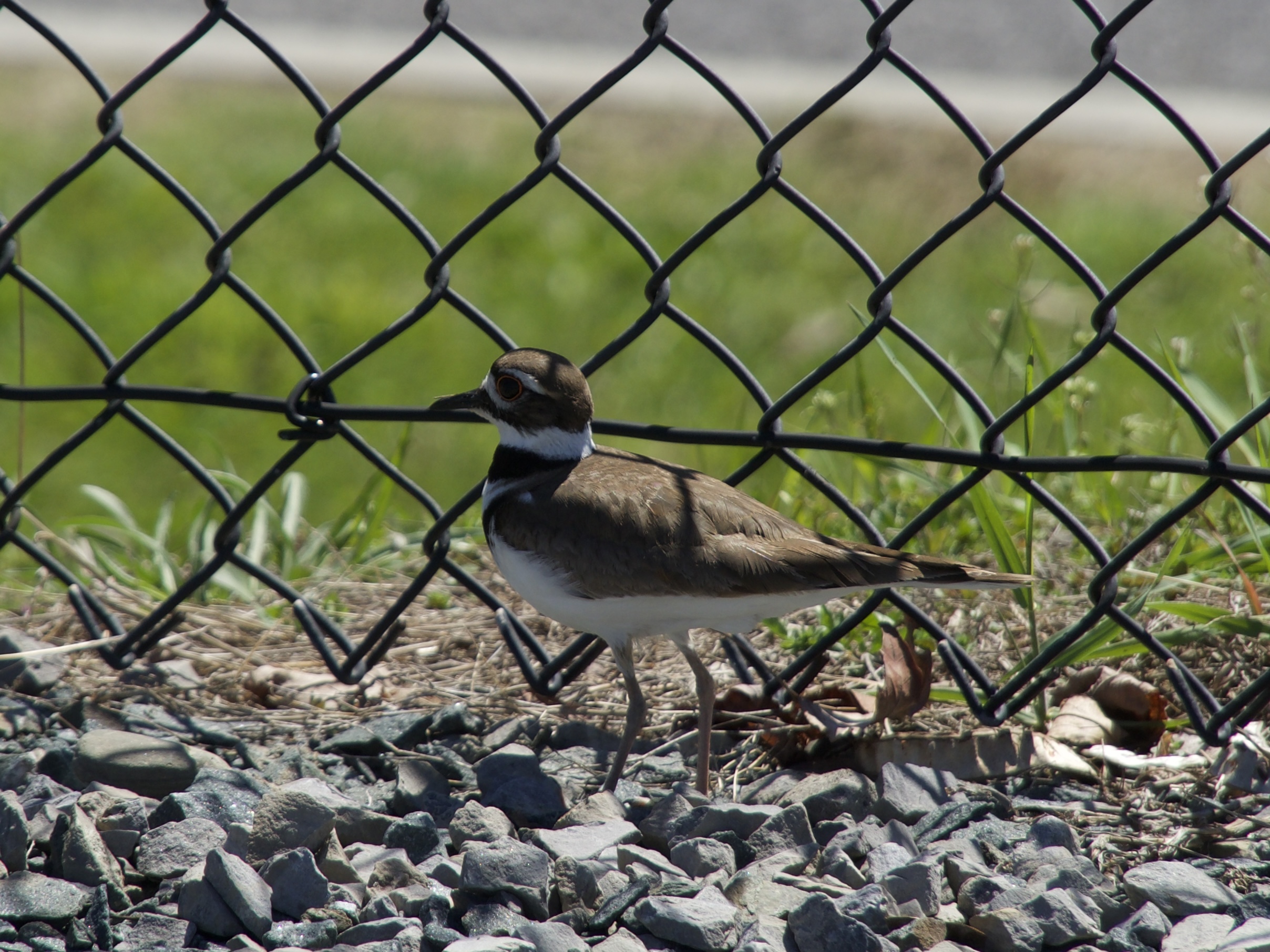
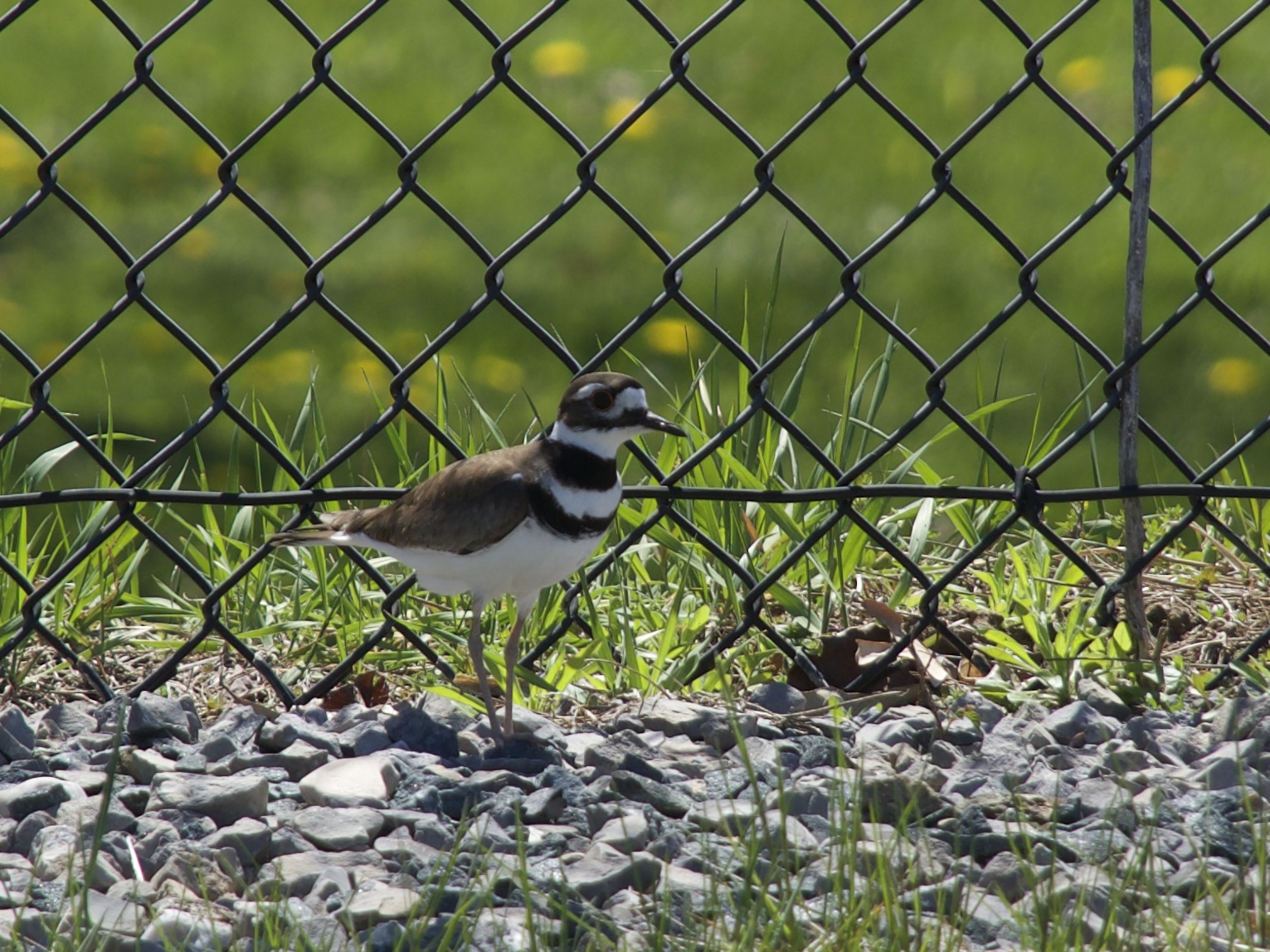
Killdeer
Charadrius vociferus from the Ancient Greek kharadrios a bird found in ravines and river valleys (kharadra meaning ravine) and the Latin vox (cry) and ferre (to bear).
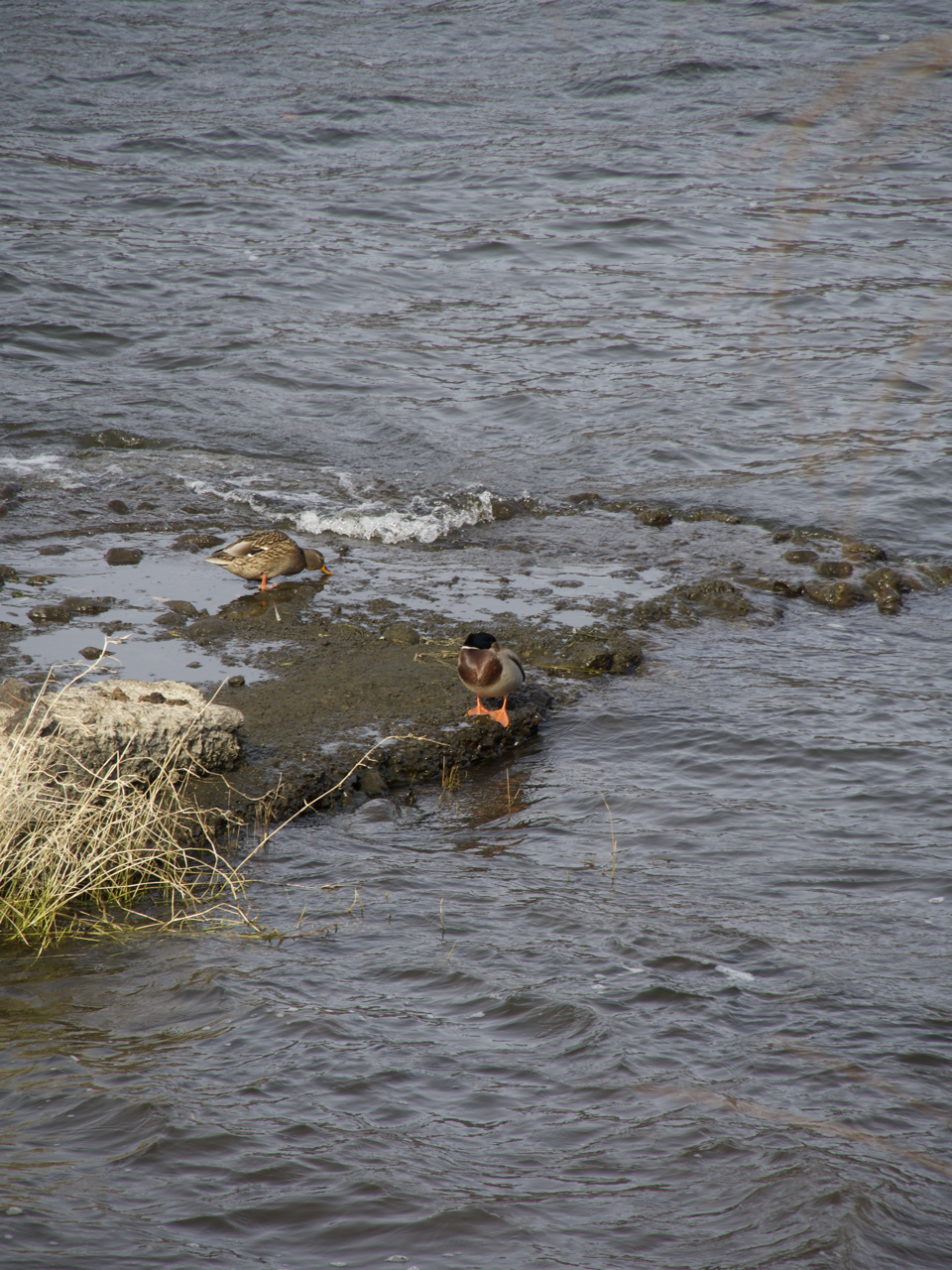
Mallard
Anas platyrhynchos from the Latin for duck (anas), platus (flat), and rhynchos (bill, beak, snout).

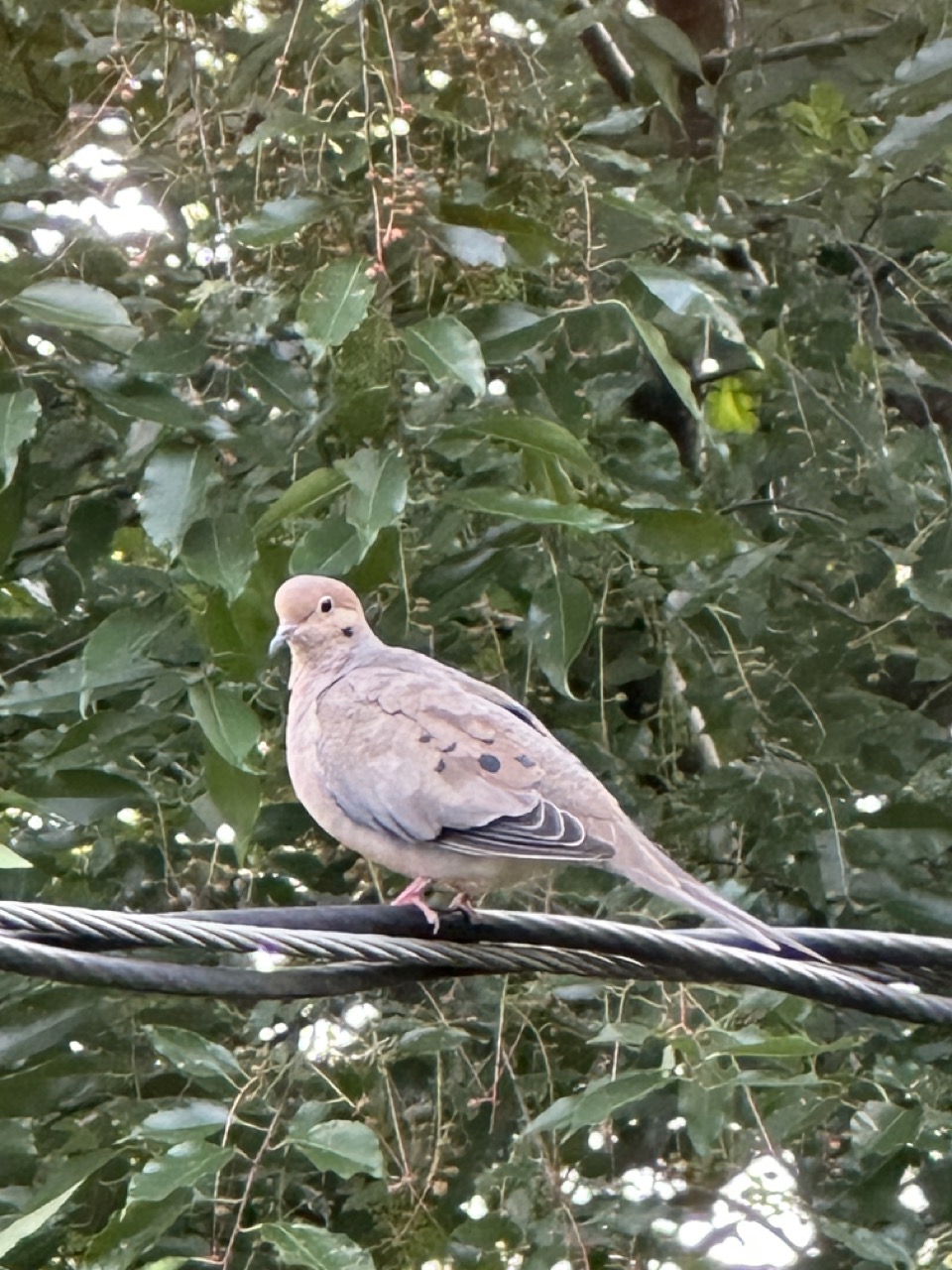
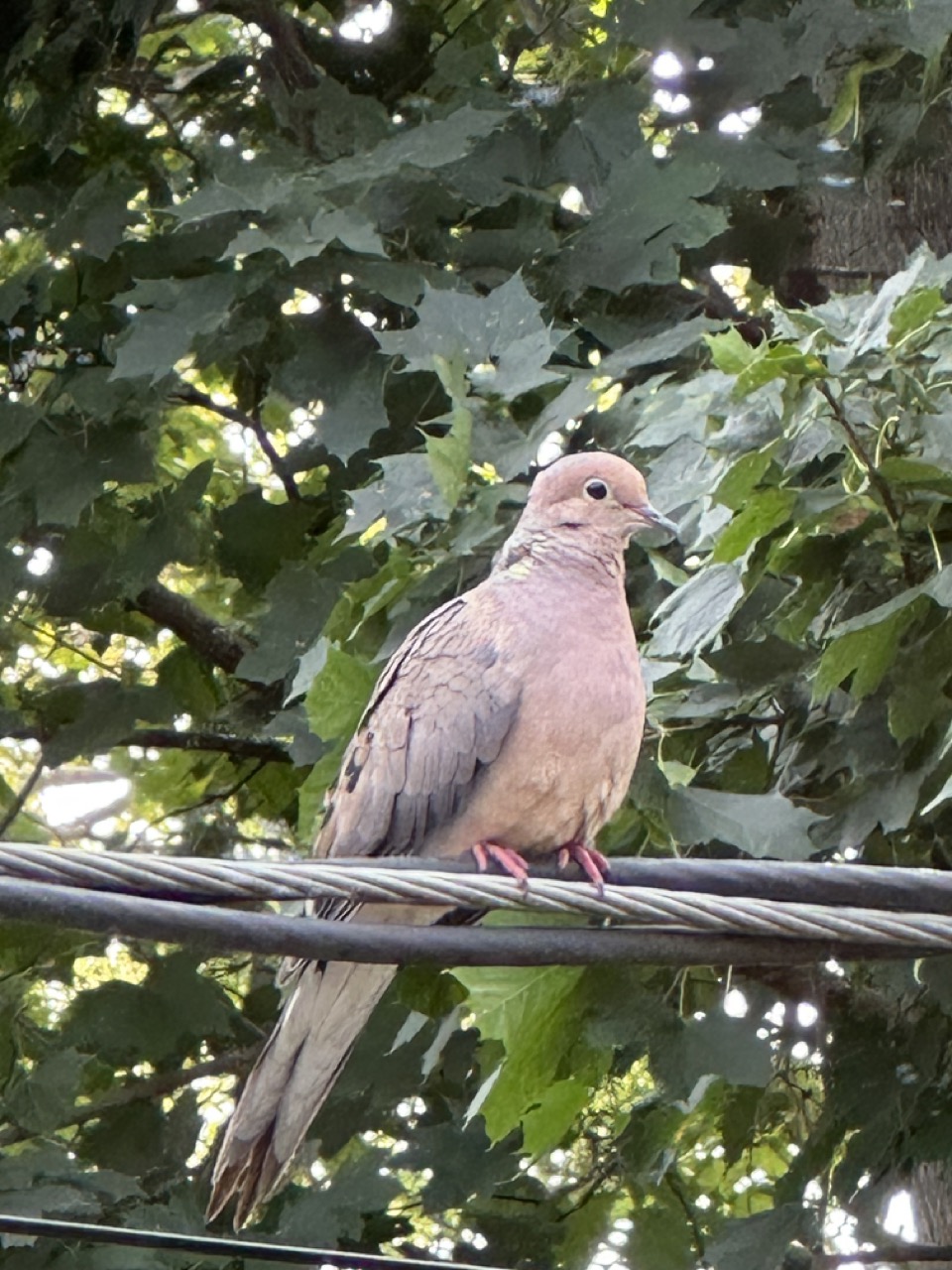
Mourning Dove
Zenaida macoura named to commemorate Zénaïde Bonaparte, the niece of Napoleon Bonaparte and the Ancient Greek makros (long/large) and oura (tail).
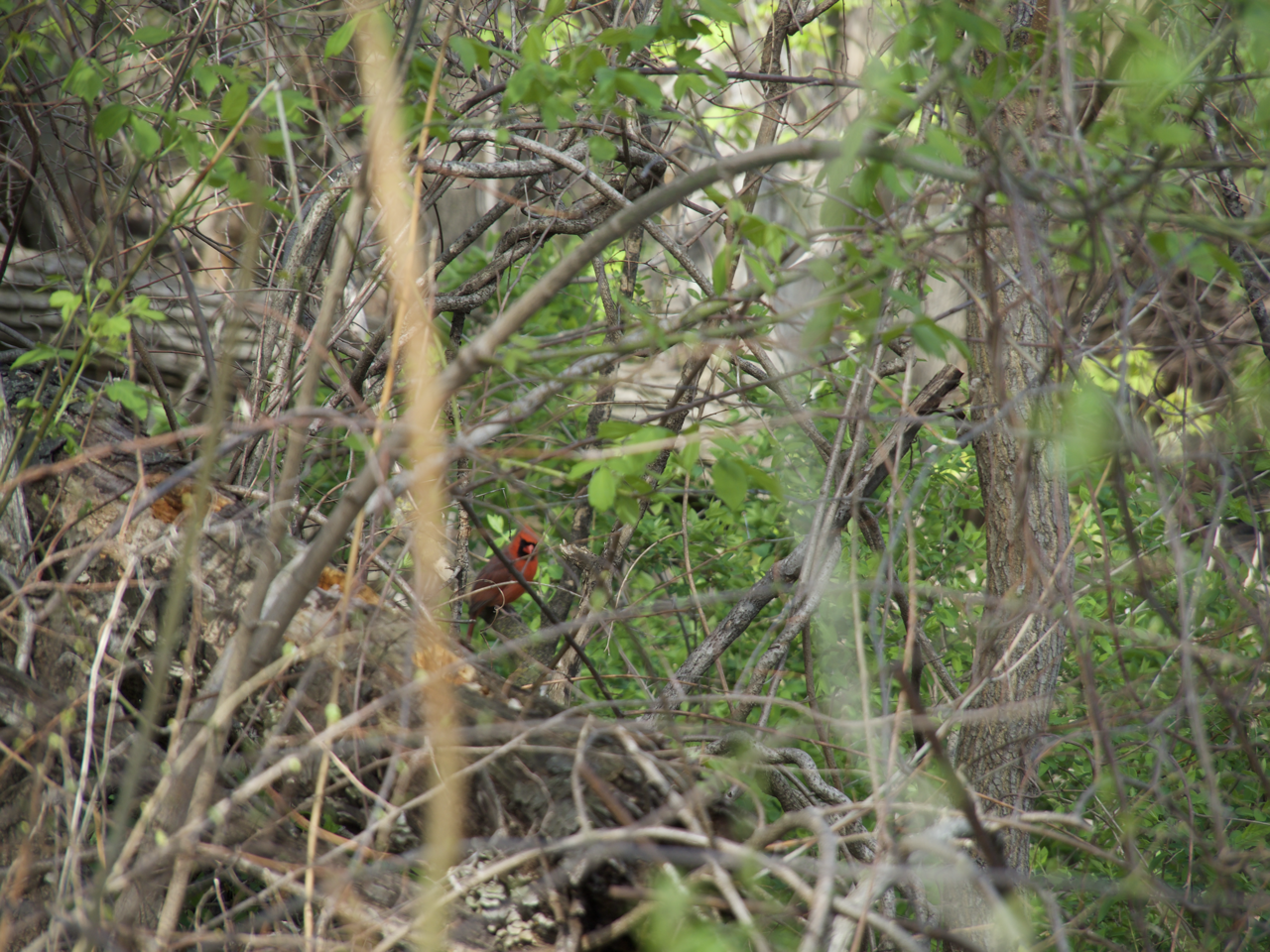
Northern Cardinal
Cardinalis cardinalis from the Latin cardinalis, meaning “principal,” “chief,” or “essential,” derived from cardo (“hinge”). The term was applied to high-ranking Roman Catholic officials (“hinge men”) who held critical, central roles in church governance, often donning red to symbolize their dedication. Early North American settlers and naturalists named the bird “cardinal” due to this visual association between the male’s bright red color and the church official’s vestments.
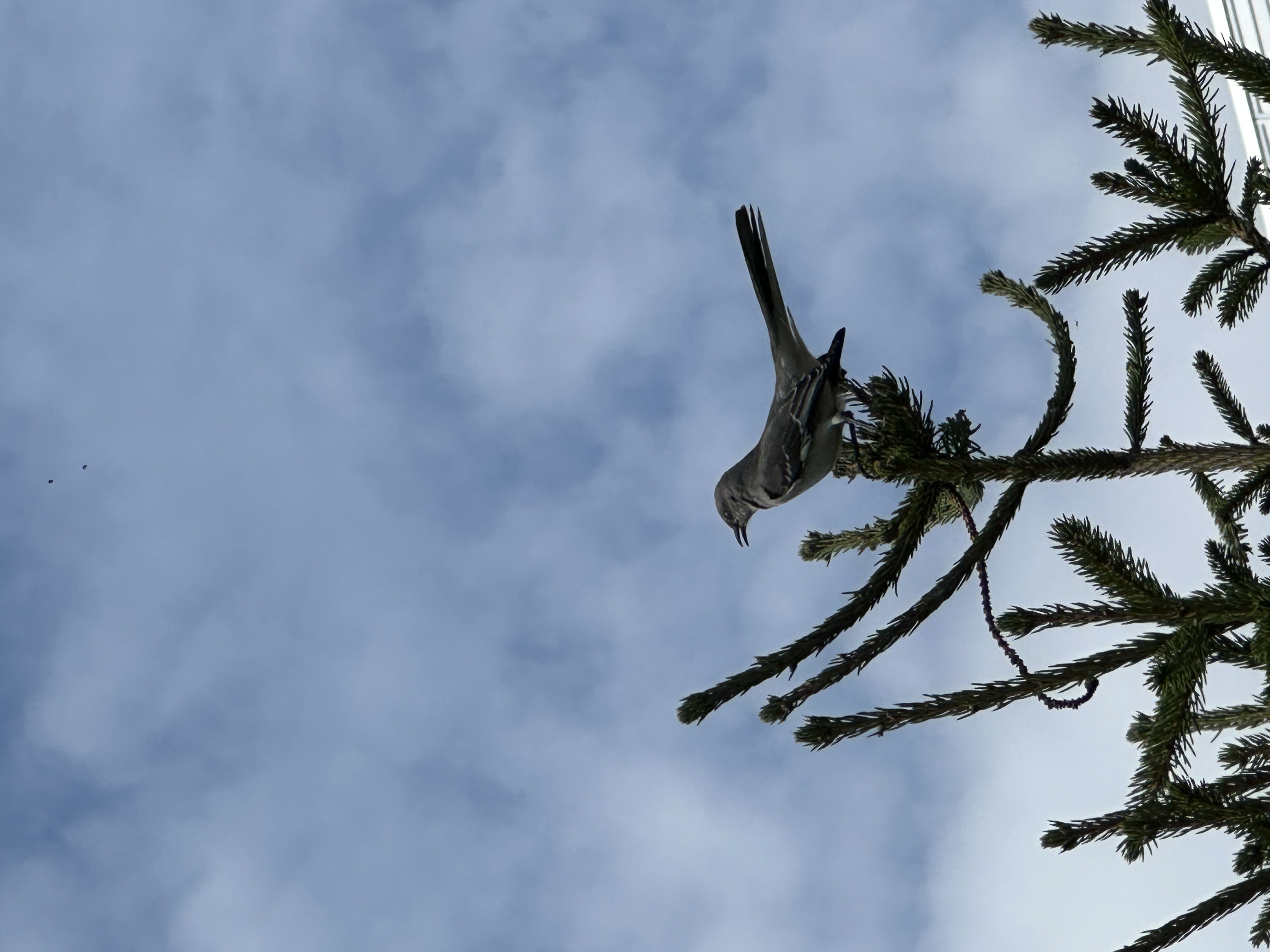
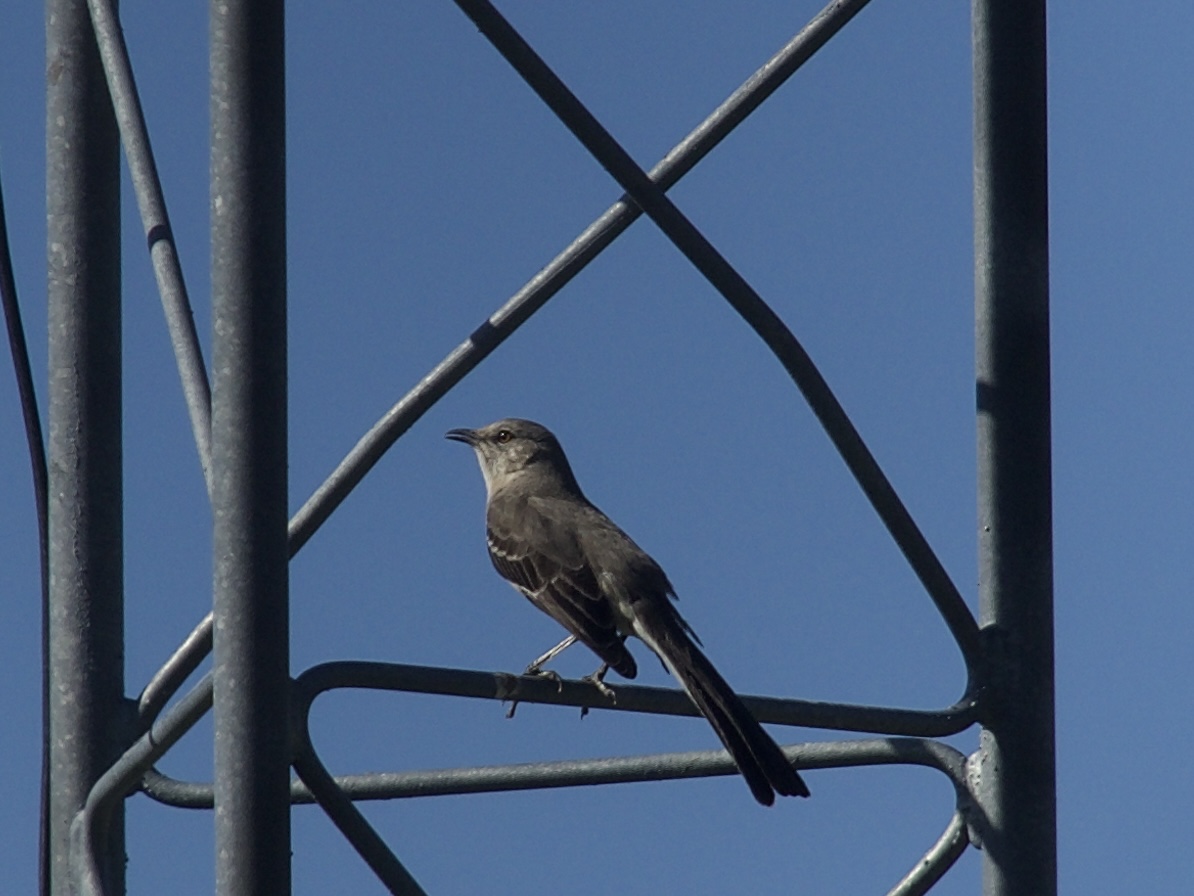
Northern Mockingbird
Mimus polyglottos from the Latin mimus (mimic, imitator, or actor) and the Ancient Greek poluglottos (many tongued).
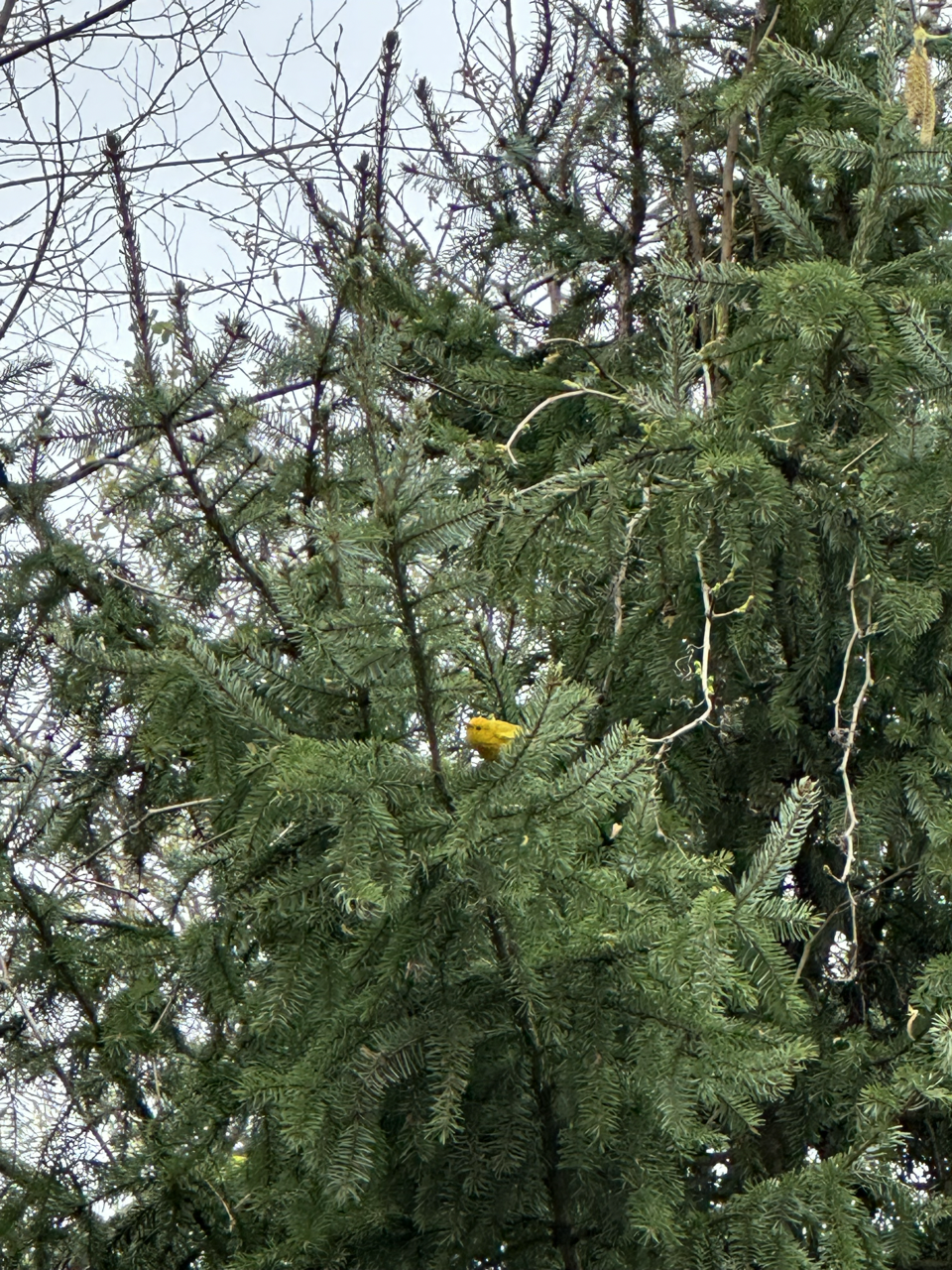
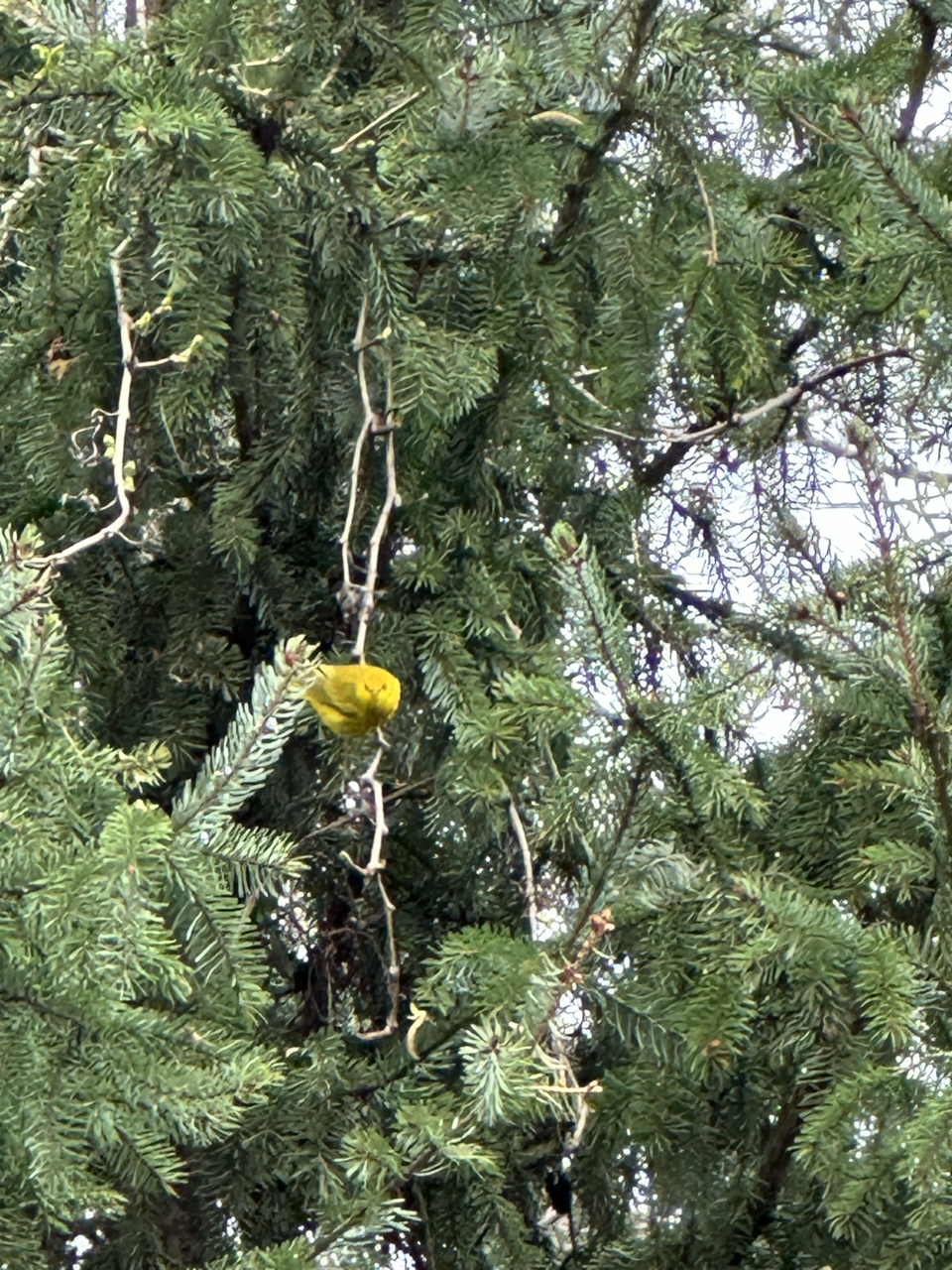
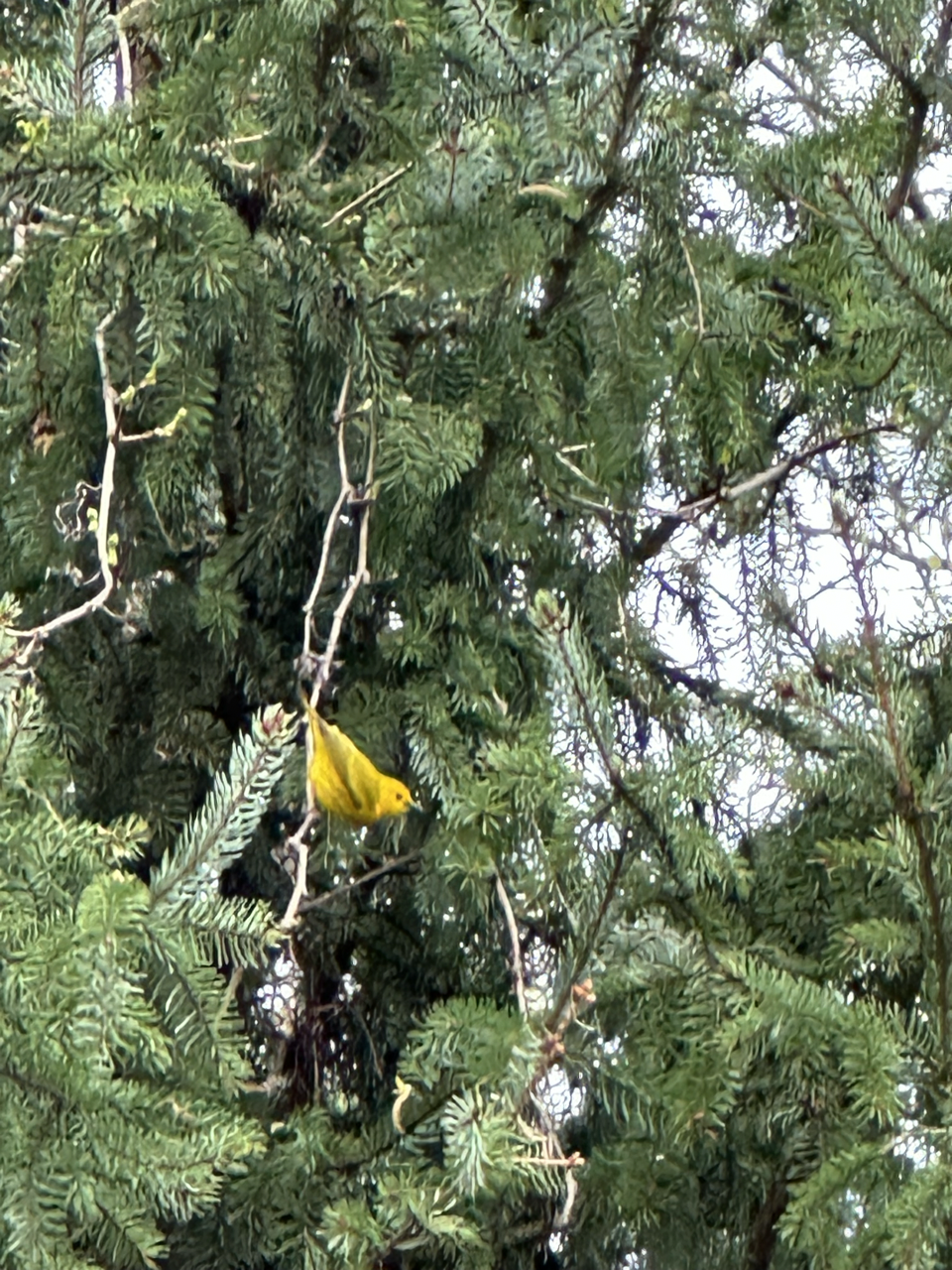
Northern Yellow Warbler
Setophaga aestiva from the Ancient Greek ses (moth) and phagos (eating) and the Latin aestivus (of summer/summer-like).
Osprey
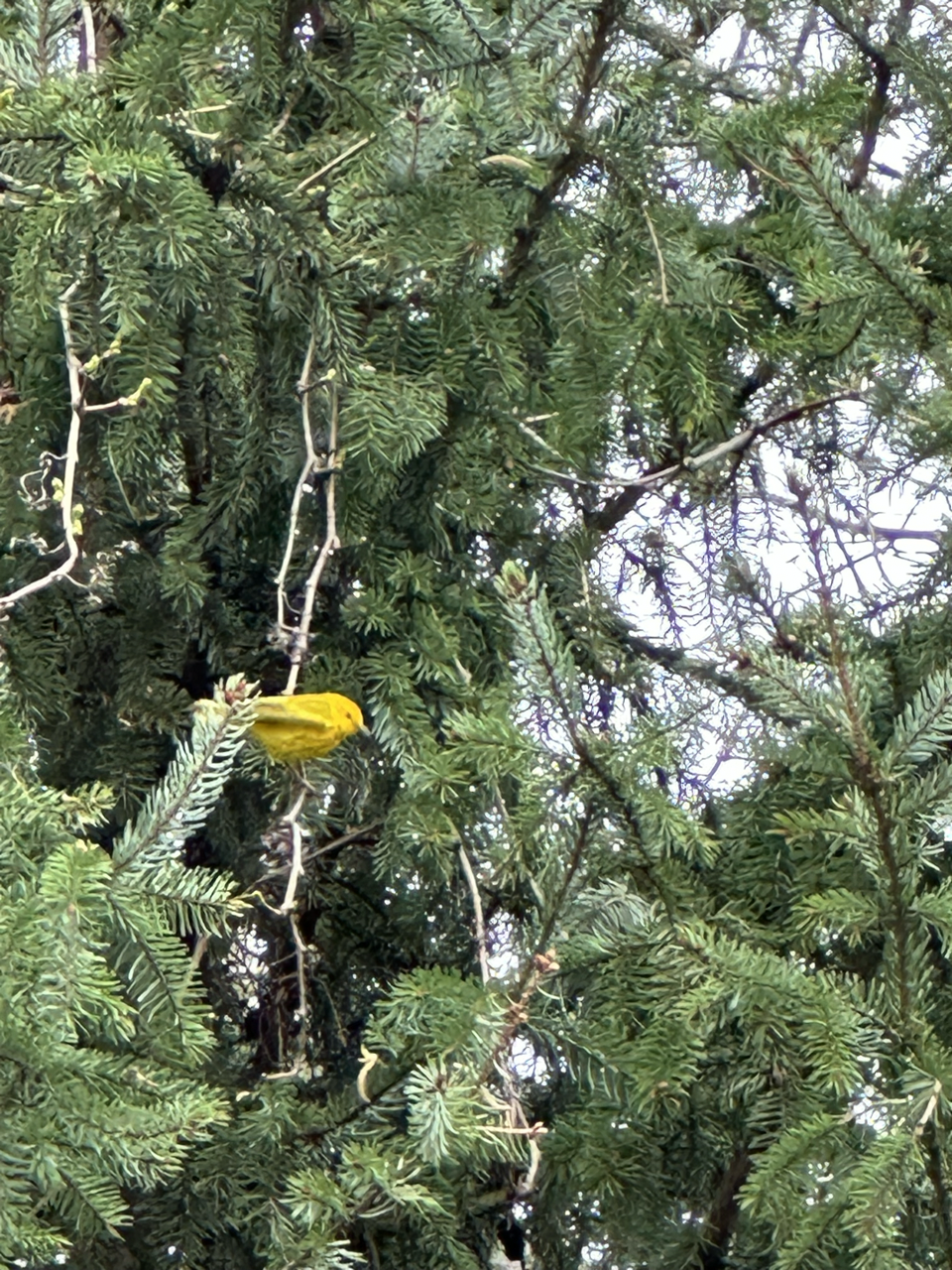
Pandion haliaetus. Pandion refers to a mythical Athenian King (Pandion II), whose daughters were turned into birds to escape torture, while haliaetus stems from the Ancient Greek haliaietos (from halos “sea” and aetos “eagle”).
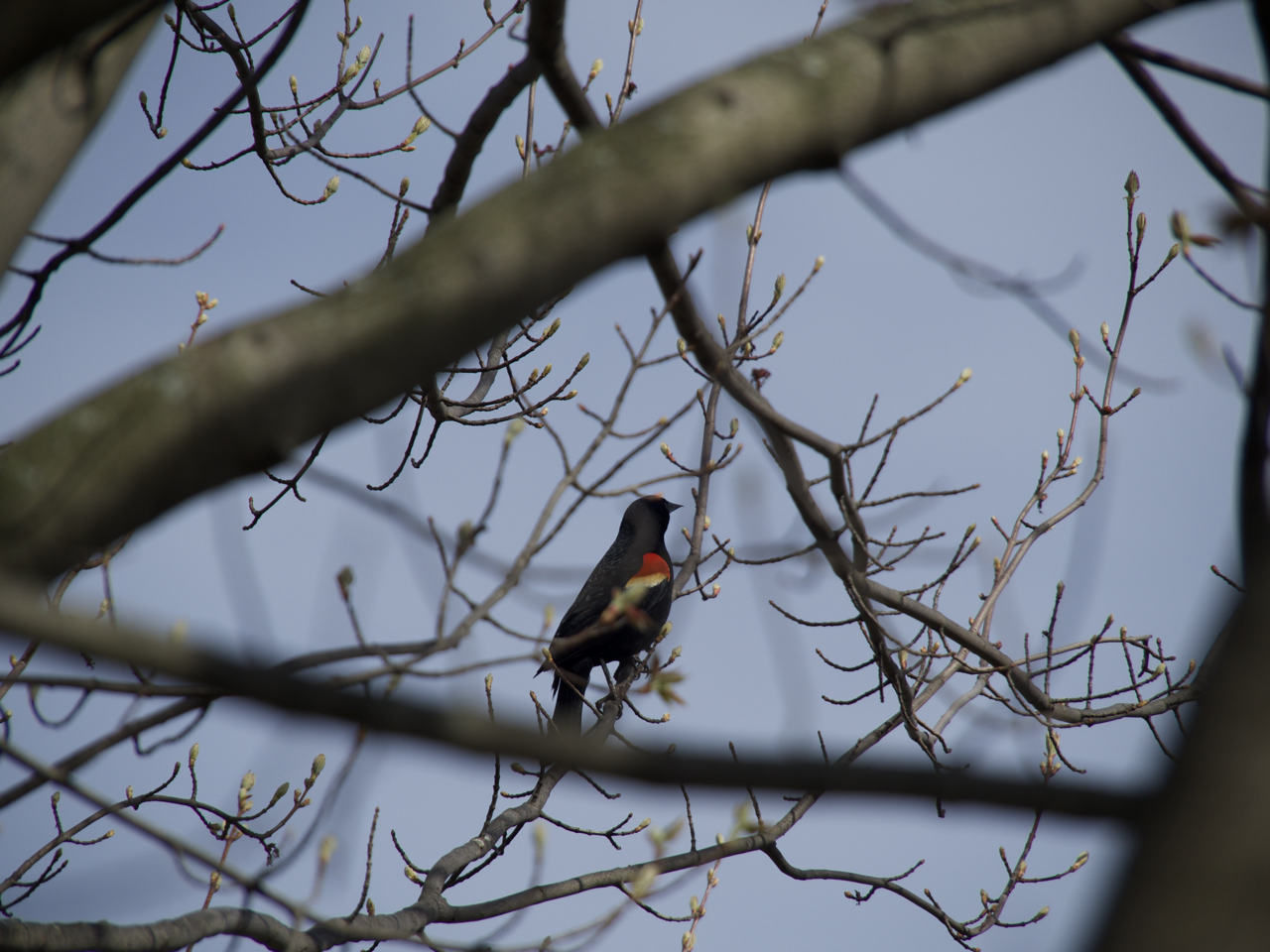
Red-winged Blackbird
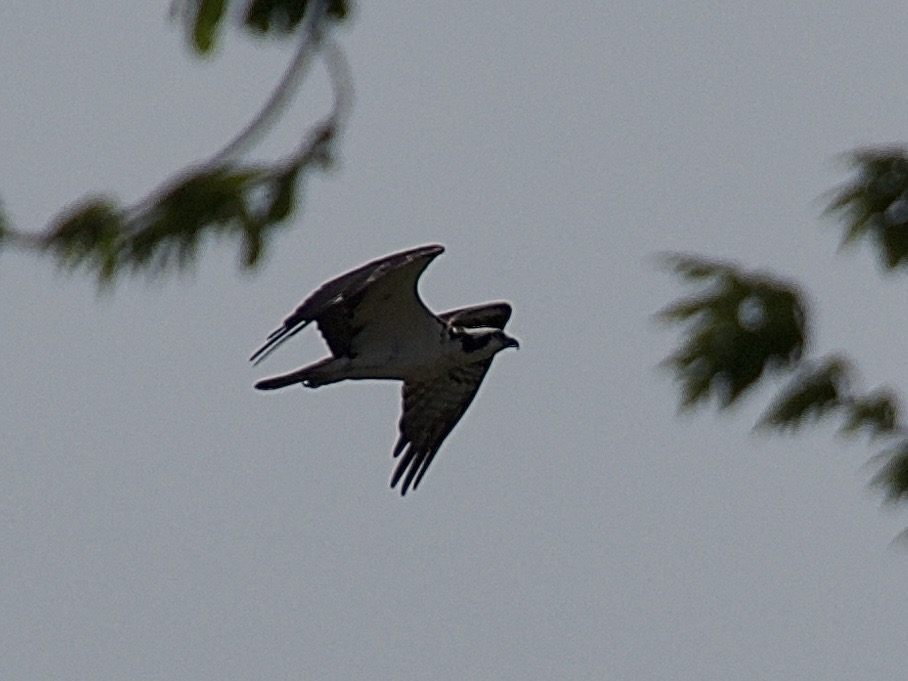
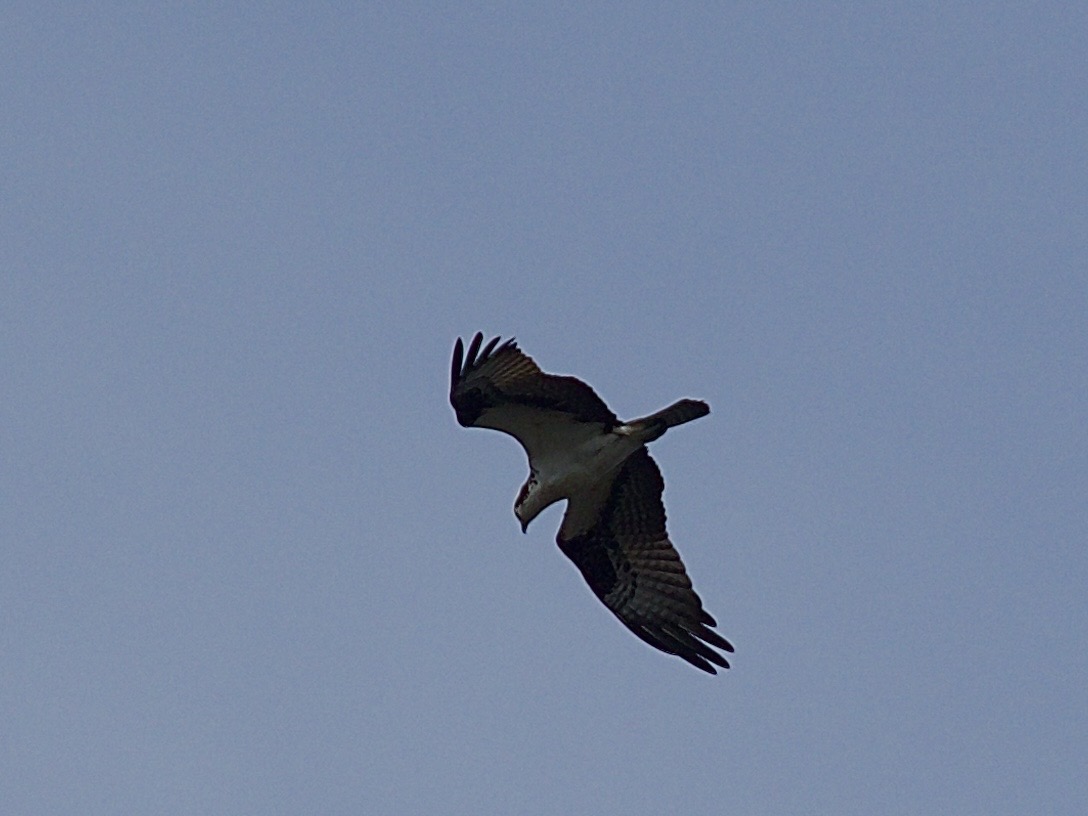
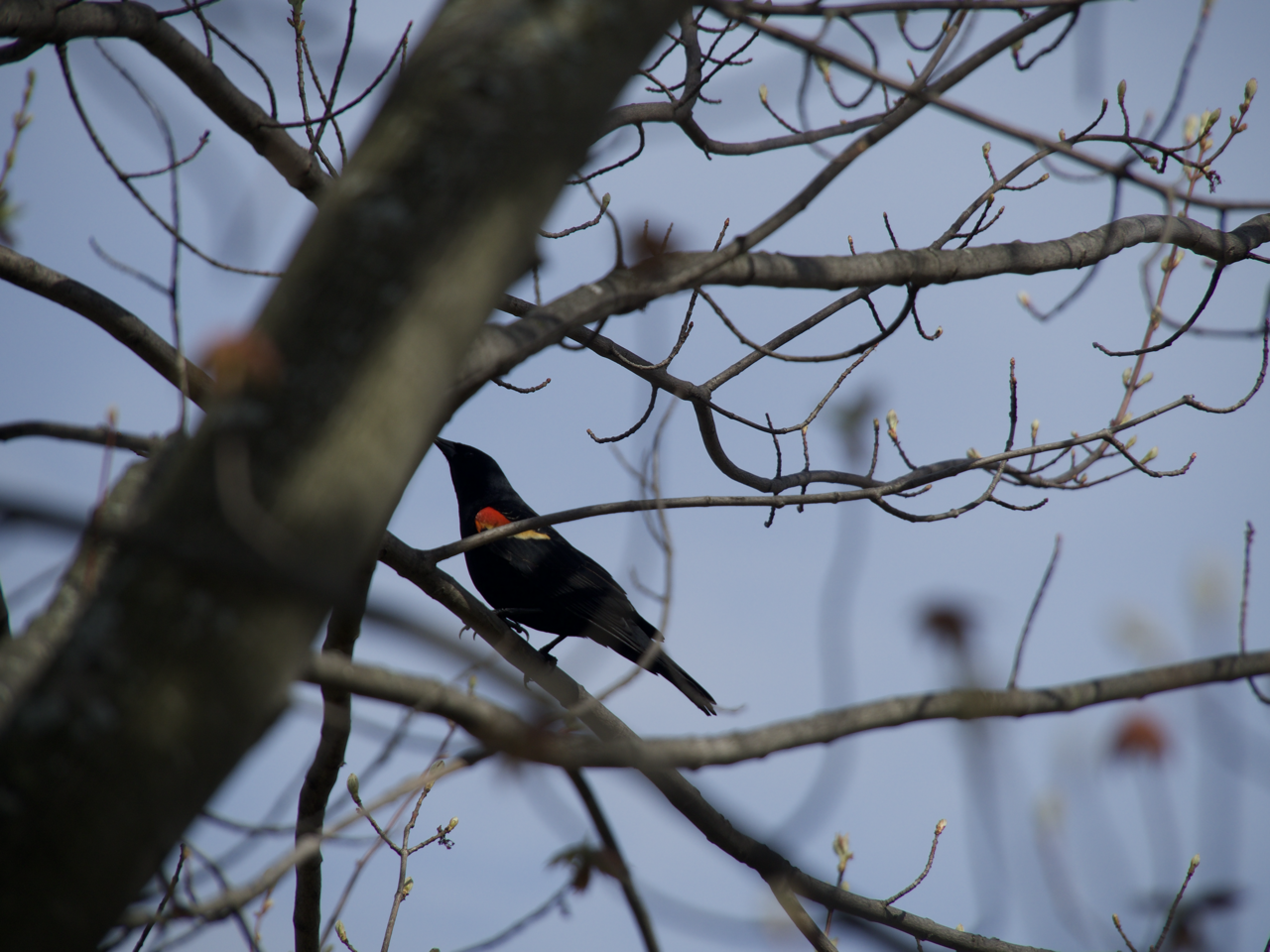
Agelaius phoeniceus from the Ancient Greek agelaios which means “belonging to a flock” or “gregarious” and the Greek phoinikeos or Latin phoeniceus, meaning “crimson” or “scarlet”. This is related to the Phoenicians, known for their production of reddish-purple dyes.
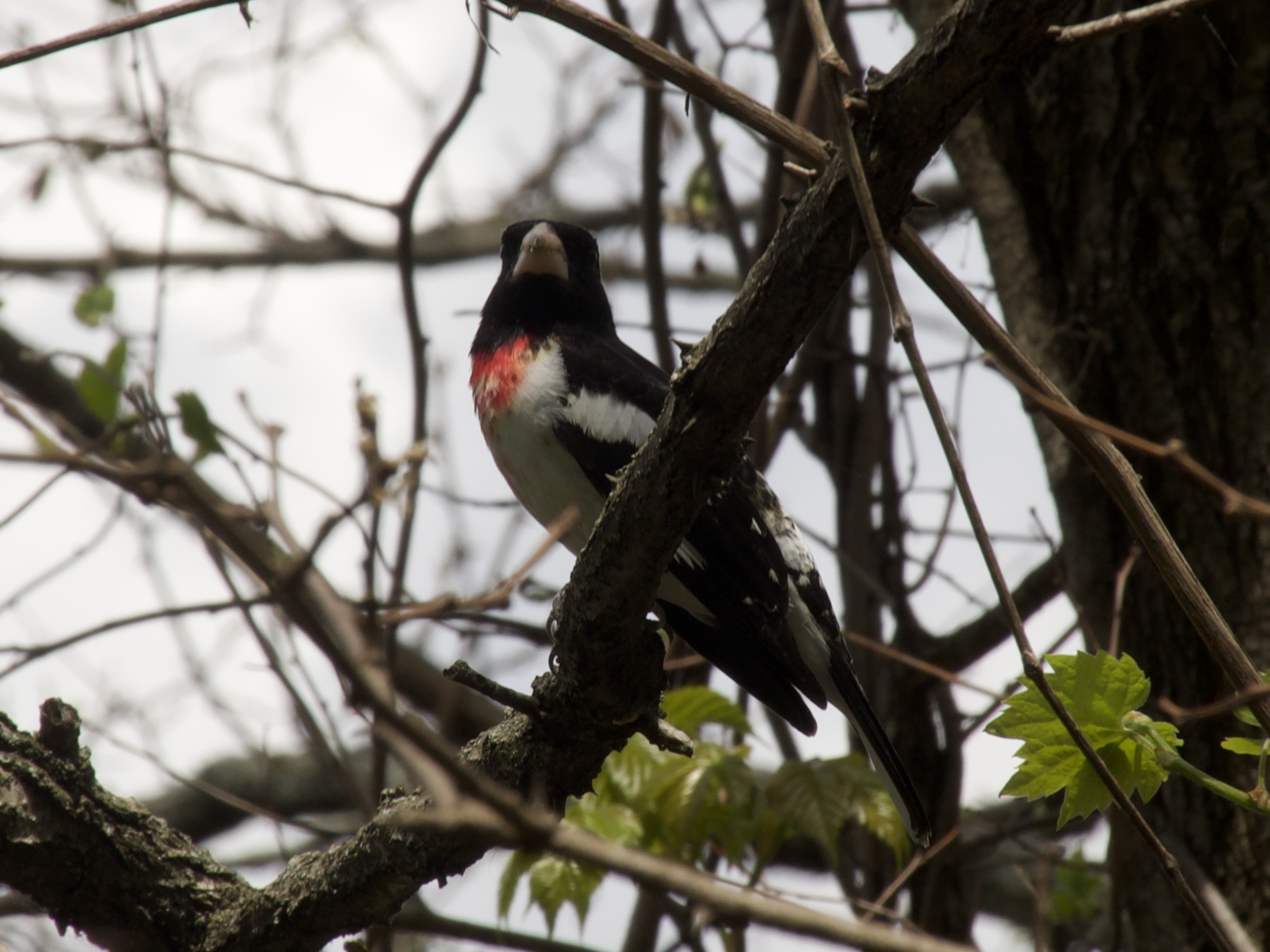
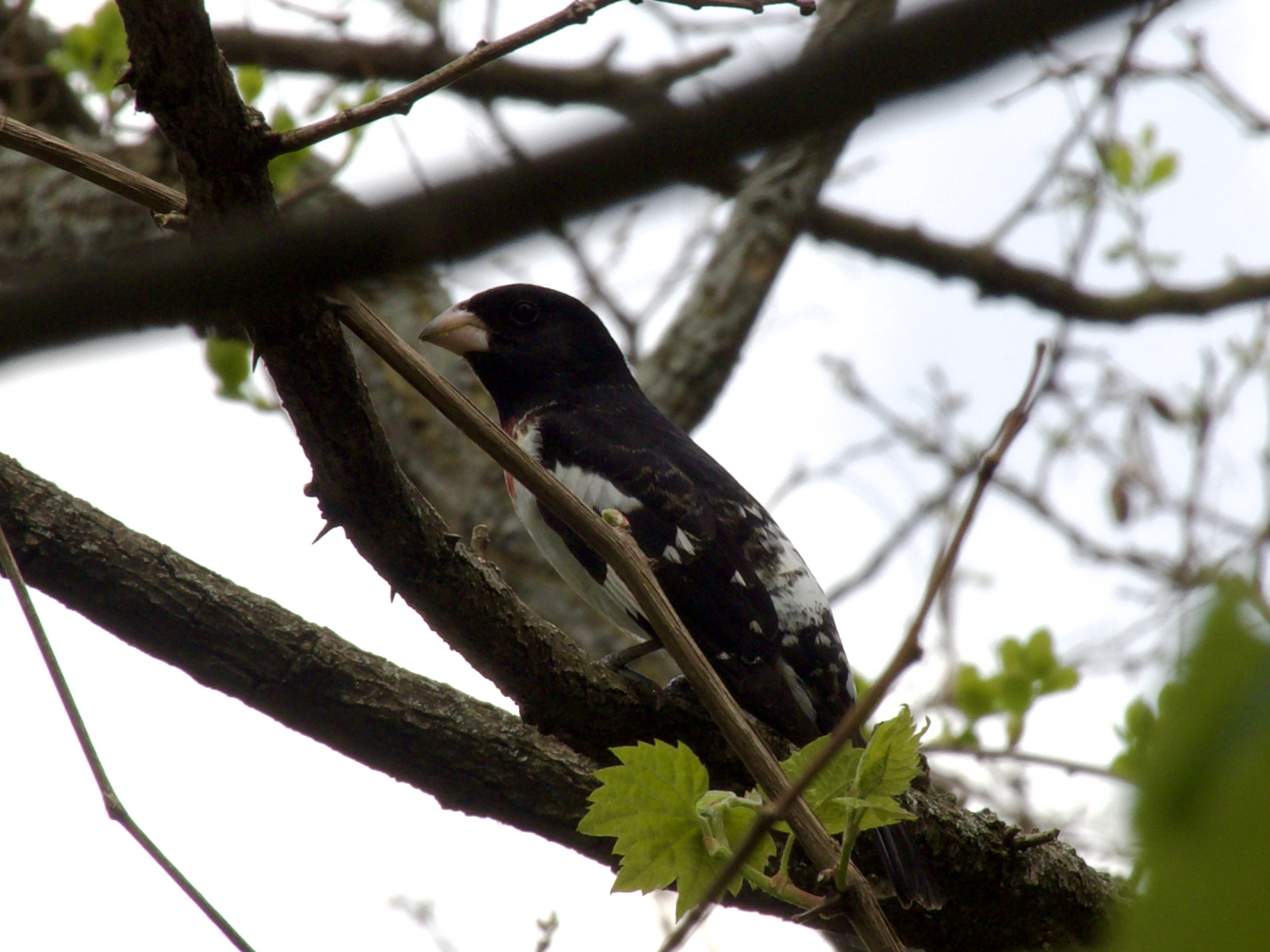
Rose-breasted Grosbeak
Pheucticus ludovicianus from the Ancient Greek pheuktikos which means “shy” or “avoiding” and the new latin ludovicianus, meaning “from Louisiana”. The common name “grosbeak” comes from the French phrase gros bec, which means “large beak”.
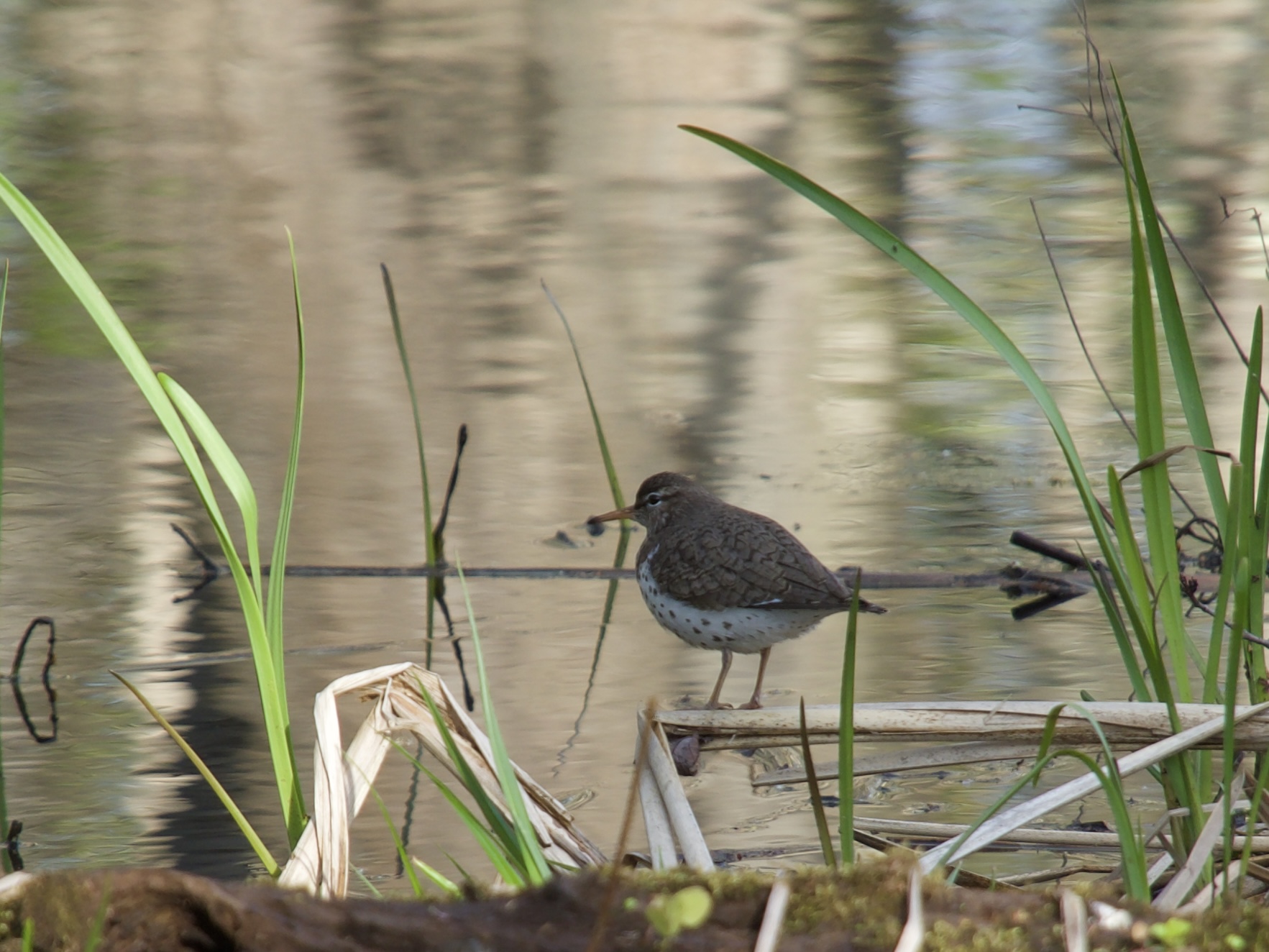
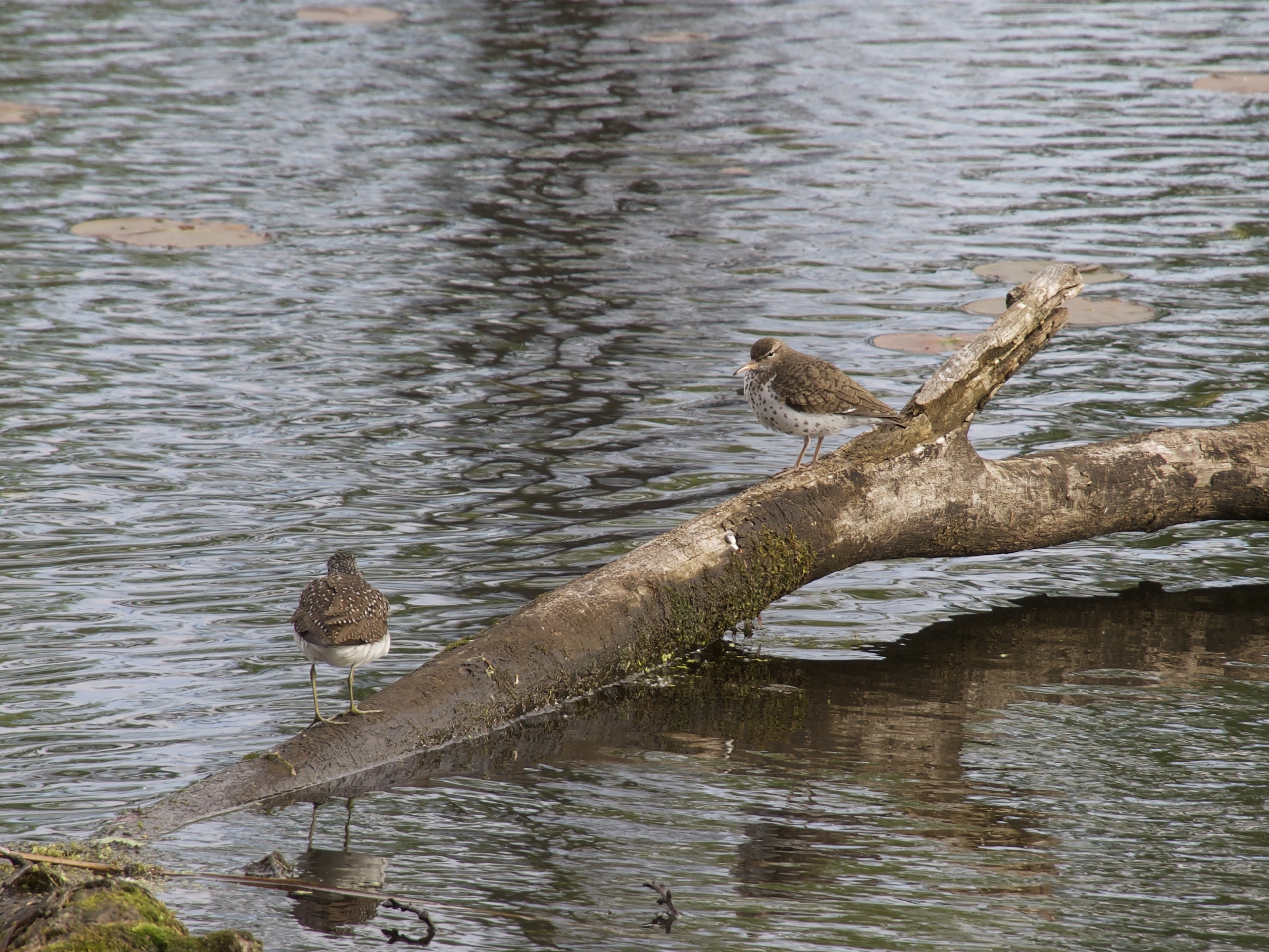
Spotted Sandpiper
Actitis macularius from the Ancient Greek word aktites, which means “coast-dweller” or “resident of the coast” and the Latin word macula, which means “spot” or “stained”.
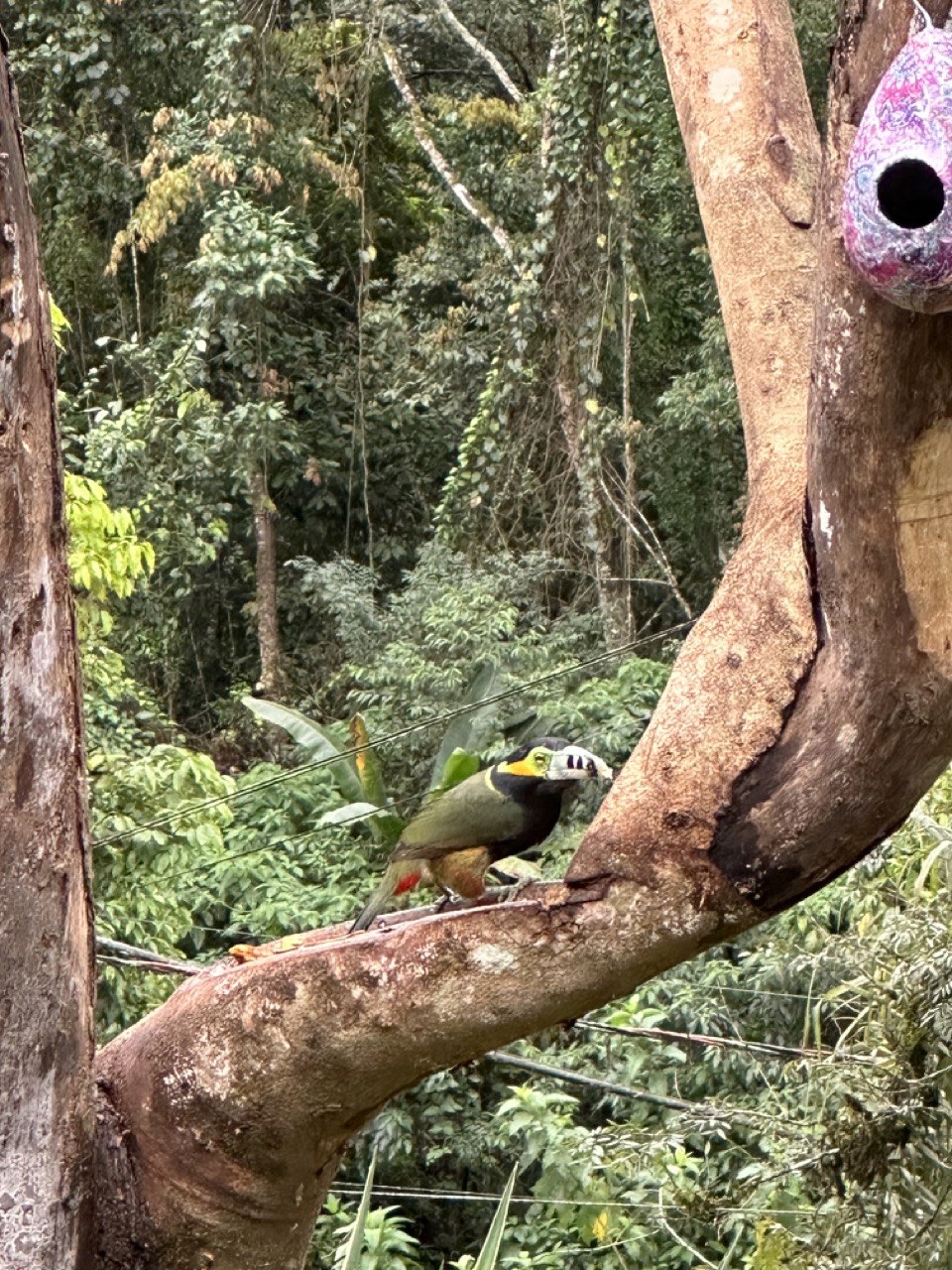
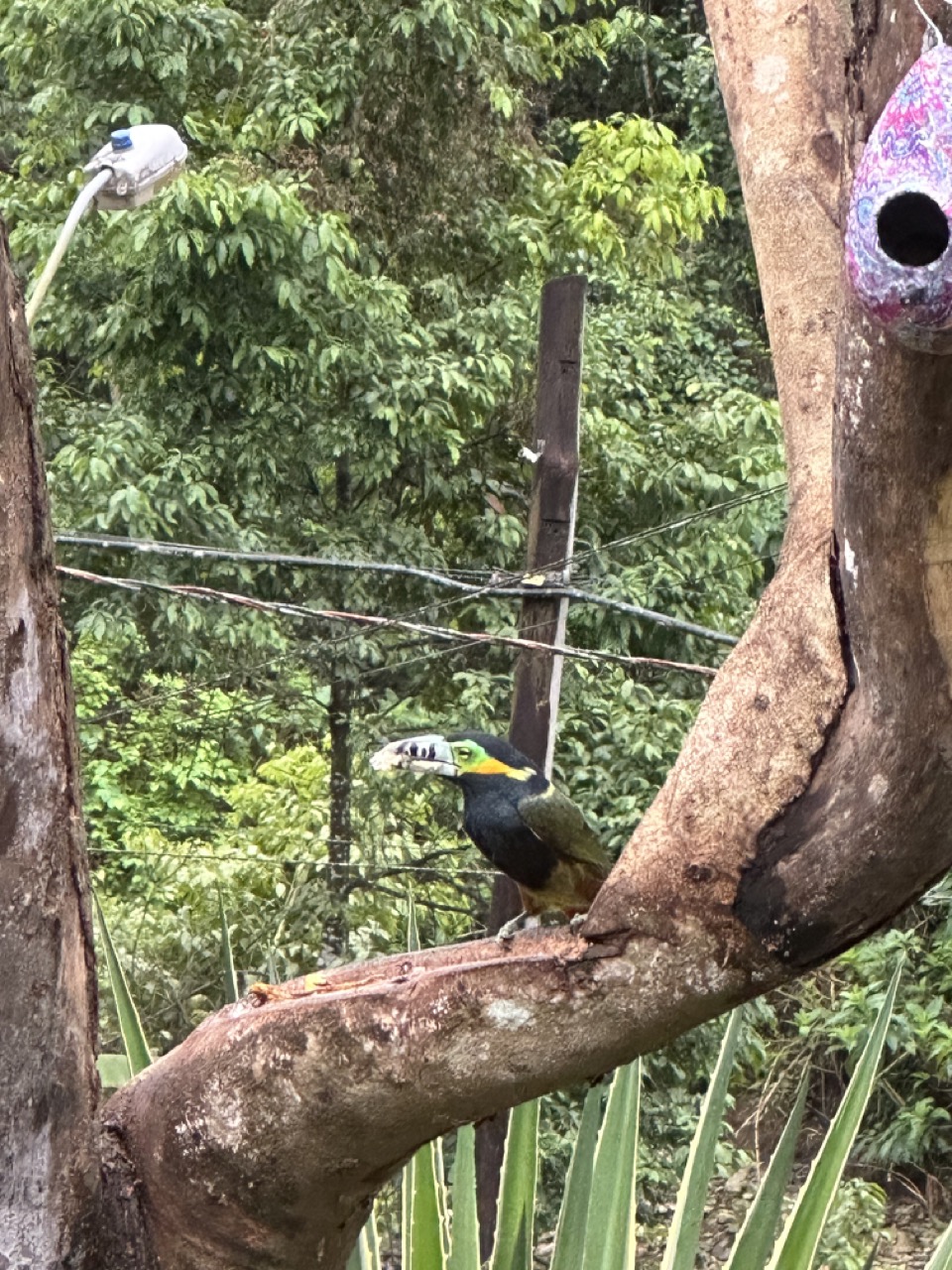
Spot-biled Toucanet
Selenidera maculirostris from the Ancient Greek words selēnē (moon) and dera (neck) and the Latin macula (spot or stain) and rostris (billed or beak).
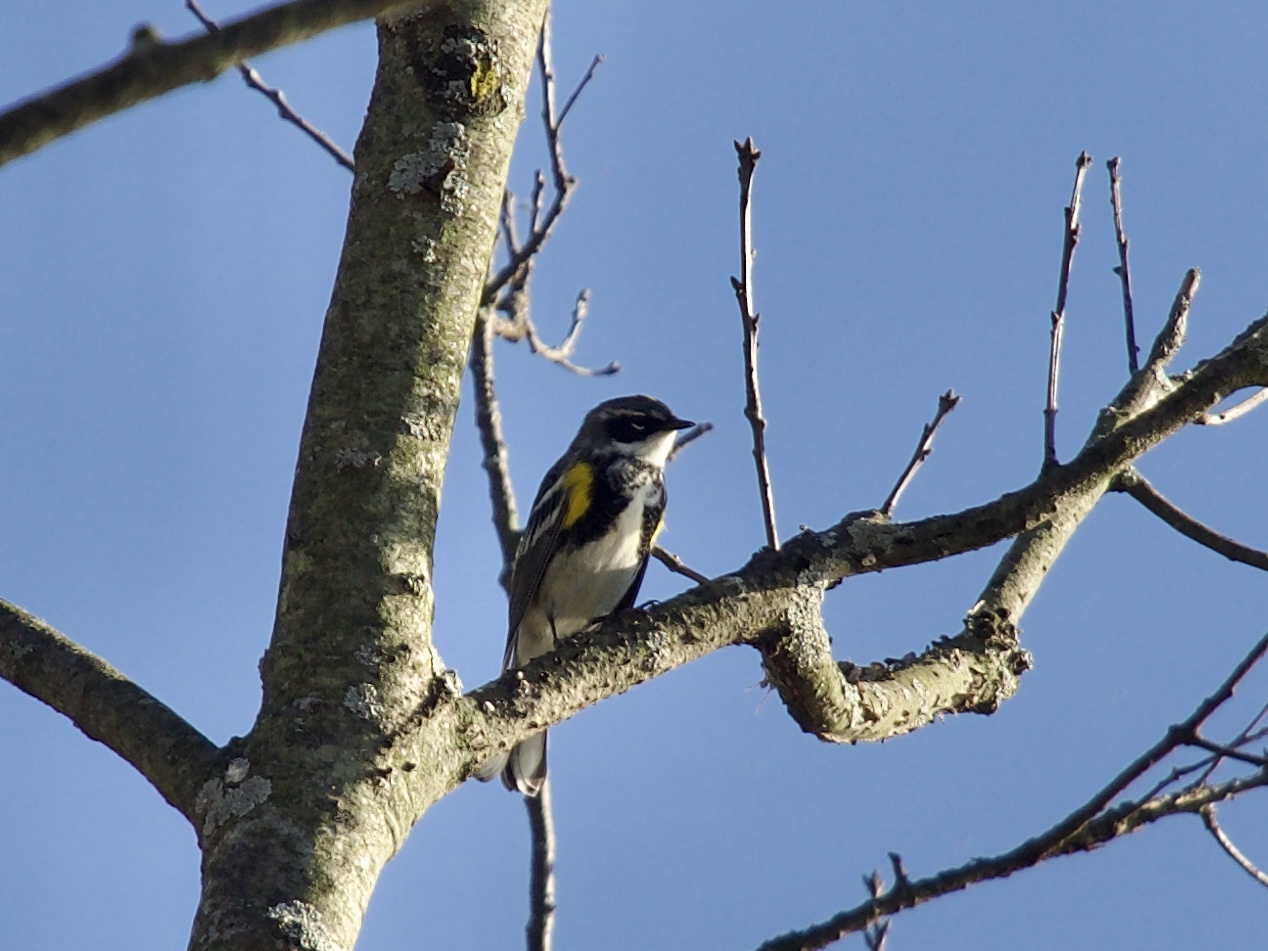
Yellow-rumped Warbler
Setophaga coronata from the Ancient Greek ses (moth) and phagos (eating) and the Latin coronatus (crowned).